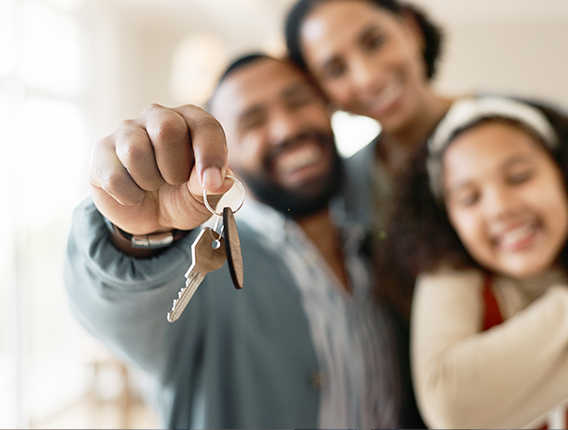
Young couple with first mortgage

First-Time Home Buyer Mortgage Approval in Halifax, NS

Everyone starts somewhere. Let’s make sure your start is a good one.

Buying your first home is exciting, overwhelming, and probably the biggest financial decision you’ve made so far. The good news is that you don’t have to figure it out alone.

I work with first-time buyers all the time, and the most common thing I hear is: ‘I didn’t know it worked like that.’ My job is to make sure you understand every step before you take it — so closing day feels like a celebration, not a surprise.

Here’s how the process works, and what you need to know before you start house hunting.

Don’t Forget About Closing Costs

This is the part that surprises most first-time buyers. Budget for these on top of your down payment:

  • Home inspection: $400 to $600 — worth every penny
  • Land transfer tax: 1.5% of the purchase price in Nova Scotia (e.g., $4,500 on a $300,000 home)
  • Legal fees: $1,000 to $1,800 including title insurance
  • Appraisal fee: $400 to $600 if required by your lender
  • Property insurance: required by your lender before closing
  • Property tax adjustment: you may owe the seller a portion of prepaid property taxes

A good rule of thumb is to budget 1.5% to 2% of your purchase price for closing costs, on top of your down payment.

Programs That Can Help

  • First Time Home Buyers’ Tax Credit — up to $1,500 back on your tax return
  • GST/HST New Housing Rebate — if you’re buying a newly built home
  • First Home Savings Account (FHSA) — contribute up to $8,000/year, tax-free, toward your first home
  • Nova Scotia Down Payment Assistance — check current provincial program availability

These programs change — I stay current on all of them so you don’t have to.

testimonial

Patrick Sawler helped my spouse and I find the best terms and percentage rate available when we were in the market for a new mortgage. We recommend his service to anyone in need of help when securing a mortgage.

Victor and Doris Shea

Even if the downpayment is not sitting in your bank account, home ownership is still a possibility for you.

Here are a few options.

Step 1 — Figure Out What You Can Afford

Before you fall in love with a house, let’s figure out what your budget actually looks like. We’ll look at your income, your existing debt, your credit score, and how much you have for a down payment. From there I can give you a realistic number — not just what you qualify for on paper, but what makes sense for your life.

Step 2 — Get Pre-Approved

A pre-approval locks in your rate for up to 120 days and shows sellers you’re serious. It’s not a guarantee of final approval, but it puts you in a much stronger position when you find the right home. I’ll handle the paperwork — all you need to do is gather your documents.

Step 3 — Understand Your Down Payment Options

The minimum down payment in Canada is 5% for homes under $500,000, and scales from there. But the source of that down payment matters too. Here are your options:

  • Savings — straightforward, easy to document
  • RRSP Home Buyers’ Plan — borrow up to $35,000 from your RRSP ($70,000 as a couple) and repay over 15 years
  • Gifted down payment — from a direct family member, properly documented
  • First Home Savings Account (FHSA) — a newer tax-free savings vehicle specifically for first-time buyers

If your down payment is under 20%, you’ll need mortgage default insurance (CMHC, Sagen, or Canada Guaranty). I’ll explain exactly what that means for your monthly payment.

Since you are a fist time home buyer, you may also qualify for the First Time Home Buyers Tax Credit.
A rebate possible of $750, based on current taxation rates.

Lastly and importantly don’t forget about closing costs.

Here are some costs to consider.

1st time home buyer

  • Home inspection could cost you between $300 to $500.
  • Land transfer tax is 1.5% of the purchase price. So if the house cost you 300,000. Your land transfer tax will be $4,500 in Nova Scotia. You must show the bank confirmation of this along with your downpayment.
  • Legal and lawyers fee’s. You should estimate between $800 and $1,500 for legal closing cost related to buying your home, this may also include the cost of title insurance that the lender may require at 150-300.
  • Appraiser fee’s. If you go with high ratio mortgage insurance, this is covered by the insurer. Otherwise this may cost you from $400-$600 depending on the location and the complexity of the report.
  • Property insurance. You will and your lender will want to protect your new asset with property insurance. Provide your Solicitor or Lawyer a copy to provide to the lender to confirm that coverage is in place.
  • Let’s not forget about property tax. Some lenders allow you to pay that with your mortgage payment. If that option is not available then just contact your local municipality to arrange for pre authorized payments.
  • Finally make sure you meet with your solicitor prior to closing and that everything the lender requires from a legal standpoint has been met. Now all that remains is to pick up your keys from your lawyer on closing day.

A Lot to Take In?

That’s normal. Most first-time buyers feel exactly the same way at this stage. The best thing you can do is pick up the phone and have a conversation. I’ll tell you where you stand, what your options are, and what the next step looks like — at no cost and with no pressure.

I’ve helped hundreds of first-time buyers go from confused to holding their keys. Let me help you do the same.

Or email: patsawler@craigburn.com

GET A QUOTE