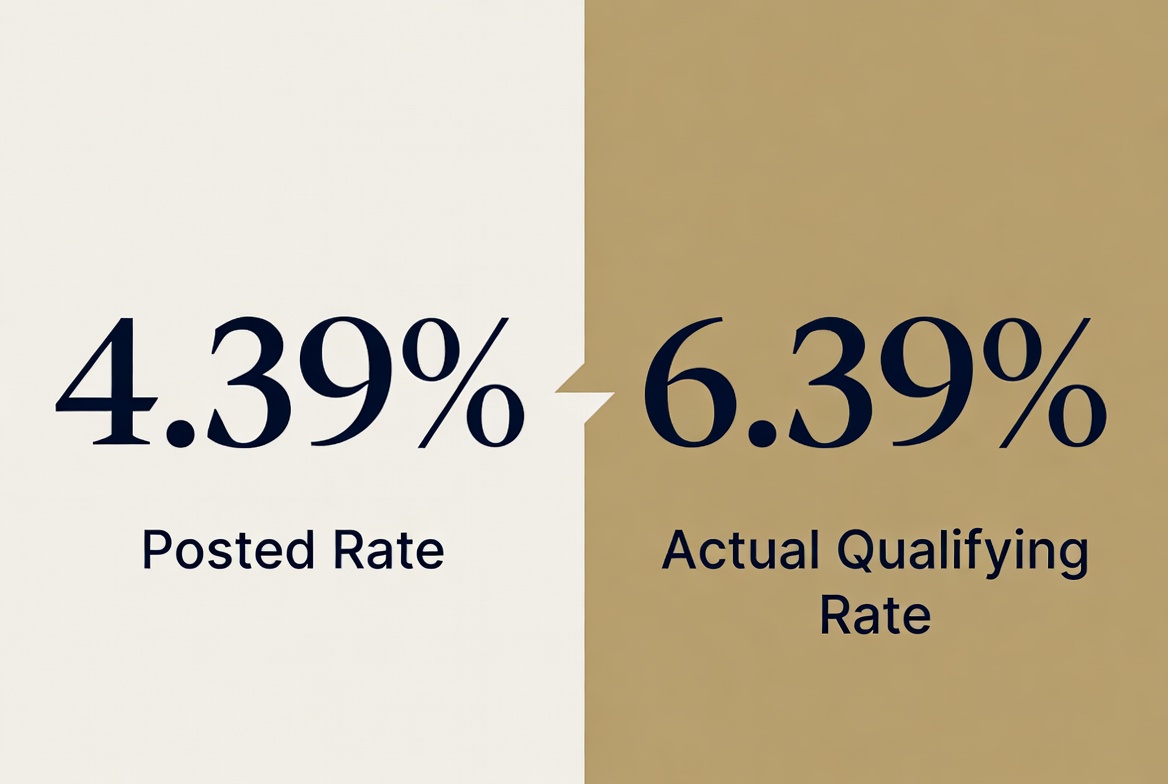
Self-Employed? Your Tax Return Might Be Working Against You!
Every write-off you claim to lower your tax bill also lowers the income a lender sees when you apply for a mortgage. The same strategy that saves you money every April can shrink your borrowing power every other month of the year.
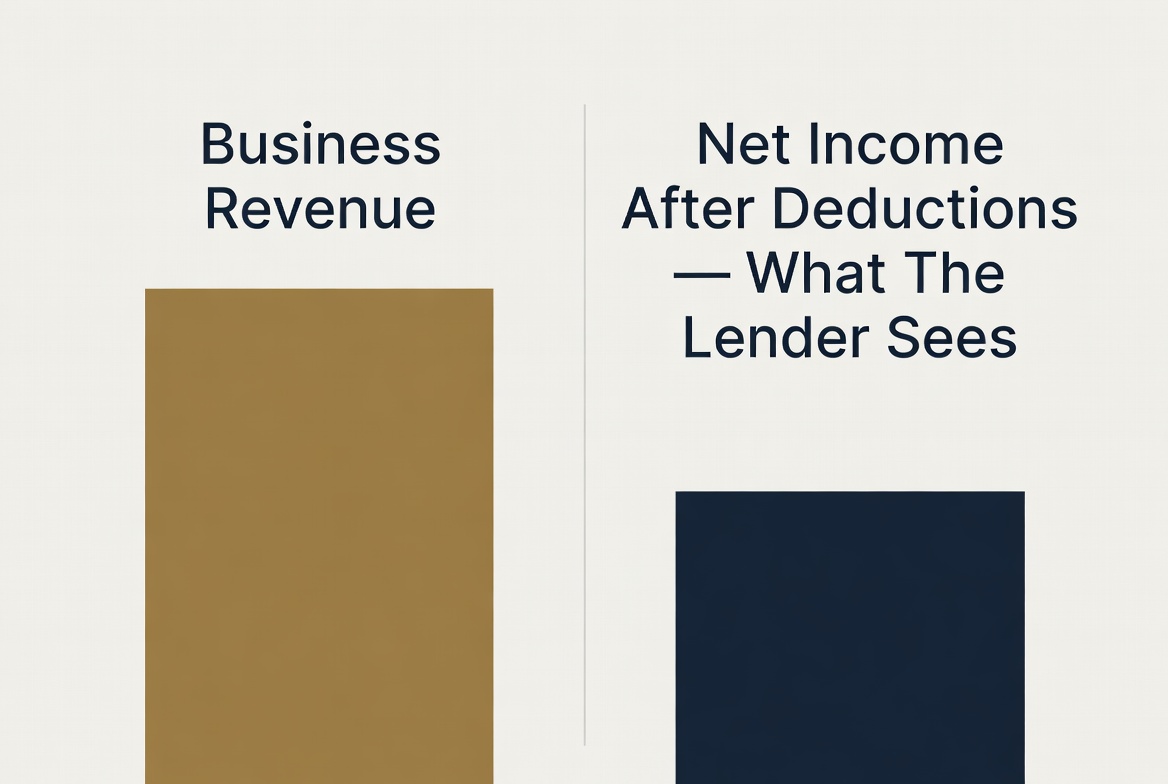
Lenders don’t look at your revenue — they look at your net income, after every deduction your accountant found. Bring in $120,000 but write off $50,000? A lender sees $70,000. That’s the number your mortgage gets sized against.
The lower your reported income, the lower your tax bill — and the lower your mortgage approval. You can’t fully optimize for both at once.
What lenders actually look at
Most want two years of Notice of Assessment and full T1 Generals, then average your net income across both. If your income’s grown fast and you write off aggressively, that average can look surprisingly low next to what you actually take home.
What you can do about it
- Plan two years ahead, not two months. Talk to your accountant about the trade-off between minimizing tax now and maximizing qualifying income later.
- Look at stated-income or alternative lending programs built for self-employed borrowers.
- Consider private lending — often weighs equity and overall picture over a rigid two-year average.
Bottom line: there’s no single right answer — it’s a genuine trade-off. The mistake is not knowing it exists until you’re mid-application. Have the conversation with your accountant and your broker before you need the mortgage, not after.
Self-employed and thinking about buying? Let’s talk before tax season. Call 902-465-5533 — I answer.