Tag Archive for: Ontario Mortgage Broker

Dive into your next investment

Is Now the Right Time to Invest in Commercial Property? A Market Analysis

The commercial real estate market in Canada has been through significant changes in recent years, influenced by economic conditions, shifting work environments, and evolving investor sentiment. If you’re considering investing in commercial property, you’re likely wondering: Is now the right time? The answer depends on several key factors, including market trends, financing conditions, and long-term investment potential.

Current Market Trends in Canadian Commercial Real Estate

1. Demand for Industrial and Multifamily Properties Remains Strong

While some sectors of commercial real estate are experiencing volatility, industrial properties and multifamily residential buildings continue to perform exceptionally well. E-commerce growth has fueled demand for warehouses and distribution centers, while housing shortages in major cities have kept multifamily investments attractive.

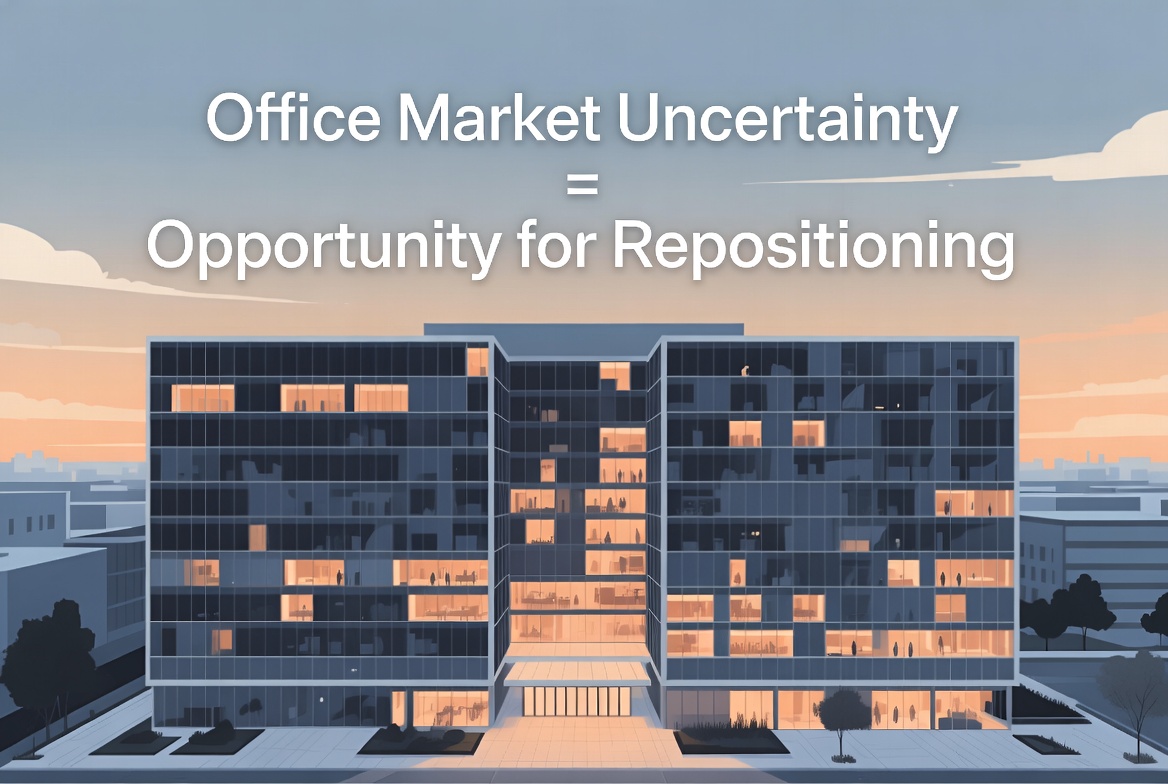
2. Office Market Uncertainty Presents Opportunities

The rise of remote and hybrid work models has reshaped office space demand. While traditional office spaces are experiencing some vacancies, many companies are reconfiguring their work environments rather than abandoning office spaces altogether. This shift presents opportunities for investors who can repurpose or reposition office buildings to meet modern workplace needs.

3. Retail Sector Adjustments

The retail sector is experiencing transformation, with large-scale retailers embracing omnichannel strategies. Investors who focus on high-traffic retail spaces or properties suited for experiential businesses (such as dining and entertainment) may find profitable opportunities.

4. Rising Interest Rates and Their Impact on Investments

Interest rates have been a major concern for investors. The Bank of Canada’s rate hikes in recent years have increased borrowing costs, leading to more cautious decision-making. However, rates are stabilizing, and savvy investors are finding ways to structure deals that still offer strong returns.

Why Investing in Commercial Property Still Makes Sense

Despite market fluctuations, commercial real estate remains one of the most reliable investment vehicles for wealth creation. Here’s why:

1. Inflation Hedge

Real estate historically serves as a hedge against inflation, as property values and rental income tend to rise alongside inflation. This makes commercial properties an attractive long-term investment.

2. Passive Income and Appreciation

Investors can benefit from stable rental income while also seeing property values appreciate over time. Well-chosen commercial properties in high-demand areas can generate significant returns.

3. Favorable Financing Options

While interest rates are higher than they were a few years ago, lenders are still offering attractive financing solutions for commercial real estate investors. With the right mortgage broker, you can access competitive rates, flexible loan structures, and customized solutions to maximize your investment potential.

4. Opportunities in Distressed Assets

Market fluctuations often lead to distressed sales, where investors can purchase properties below market value. These opportunities can provide excellent entry points for long-term gains.

How to Make a Smart Investment Decision

1. Research Market Conditions

Understanding regional market trends is crucial. Some areas are experiencing a commercial real estate boom, while others are still recovering. Do your homework or work with an expert to analyze local supply and demand dynamics.

2. Secure the Right Financing

Your financing structure can make or break your investment. Working with an experienced mortgage broker will help you secure the best possible terms, whether through traditional lenders, private financing, or CMHC-backed loans.

3. Evaluate Property Potential

Not all commercial properties are created equal. Look at factors such as location, tenant quality, lease agreements, and future growth potential to determine if a property is worth the investment.

4. Plan for Market Fluctuations

The real estate market is cyclical, so it’s essential to plan for both short-term uncertainties and long-term growth. Diversifying your portfolio and maintaining a financial cushion can help you navigate changing market conditions.

Why I Am the Ideal Mortgage Broker to Assist You

Navigating the commercial mortgage market can be complex, but with the right guidance, you can secure financing that aligns with your investment goals. As an experienced mortgage broker specializing in commercial real estate, I offer:

  • Access to a Wide Network of Lenders – I work with banks, credit unions, private lenders, and CMHC-backed programs to find the best financing solutions for you.
  • Tailored Financing Strategies – Every investor’s situation is unique, and I customize loan structures to maximize your returns and minimize risks.
  • Expert Market Insights – My deep understanding of the Canadian commercial real estate market allows me to provide valuable insights and strategic advice.
  • Streamlined Application Process – I simplify the mortgage approval process, ensuring a smooth and efficient experience.

If you’re ready to explore commercial real estate investment opportunities, let’s connect. I can help you secure the best financing options and guide you toward a profitable investment.

Contact me today to discuss your commercial mortgage needs and take the next step toward financial success!

I look forward to hearing from you in regard to your mortgage needs.

Patrick

p.s- You can click on this link to start the process whenever you are ready. Schedule your meeting with me here.

p.s.s- I should tell you that I am licensed in Nova Scotia Brokerage (2024-3000179) Broker (2024-3000180), Ontario(M18001555) & in British Columbia(BCFSA #504098).

p.s.s.s You can download my new mortgage app here

Don’t miss out on this opportunity to secure the best financing terms for your next multi-unit development. Contact me today!

With my experience and industry connections, I’ll ensure you get the most competitive terms to make your commercial property investment a success.

Understanding Commercial LTV

Understanding Loan-to-Value (LTV) Ratios in Commercial Mortgage Lending

Loan-to-Value (LTV) ratios play a crucial role in commercial mortgage lending, influencing borrowing power, interest rates, and financing terms. Whether you’re an investor, developer, or business owner, understanding how LTV ratios impact your loan application can help you secure the best possible financing for your commercial project. In this blog post, we will explore the significance of LTV ratios, how they are calculated, their impact on lending decisions, and strategies to optimize your borrowing potential.

What Is Loan-to-Value (LTV) Ratio?

The Loan-to-Value (LTV) ratio is a key metric used by lenders to assess the risk associated with a commercial mortgage loan. It represents the percentage of a property’s appraised value or purchase price that is being financed by the lender. The formula for calculating LTV is:

LTV Ratio = (Loan Amount / Property Value) × 100

For example, if you’re purchasing a commercial property valued at $2,000,000 and you secure a loan of $1,500,000, your LTV ratio would be:

LTV = ($1,500,000 / $2,000,000) × 100 = 75%

This means the lender is financing 75% of the property’s value, while you must cover the remaining 25% as a down payment.

How LTV Ratios Impact Commercial Mortgage Lending

Lenders use LTV ratios to determine the level of risk associated with a loan. The higher the LTV, the greater the risk for the lender, as a larger portion of the property’s value is financed. Here are some ways LTV ratios impact borrowing power and loan terms:

1. Loan Approval and Borrowing Power

Lenders have maximum LTV thresholds based on the type of property and risk profile. Typical LTV limits for commercial mortgages include:

  • Multi-Family Residential Properties: Up to 85% (with CMHC insurance)
  • Office and Retail Buildings: 65%-75%
  • Industrial Properties: 70%-75%
  • Special-Purpose Properties: 50%-65%

If your LTV ratio is too high, you may need to provide a larger down payment or seek alternative financing options.

2. Interest Rates and Financing Costs

Lower LTV ratios typically result in more favorable loan terms, including lower interest rates. Lenders view low-LTV loans as less risky, which can translate to cost savings over the life of the loan. Conversely, higher LTV loans often come with higher interest rates and stricter lending conditions.

3. Private vs. Traditional Lenders

While banks and institutional lenders impose strict LTV limits, private mortgage lenders may offer higher LTV ratios in exchange for higher interest rates. This can be a valuable option for borrowers who need additional leverage but may not qualify for traditional financing.

4. Impact on Loan Insurance and CMHC Financing

For multi-unit residential properties, the Canada Mortgage and Housing Corporation (CMHC) offers mortgage insurance that allows borrowers to access higher LTV ratios (up to 85%) with lower interest rates. CMHC-backed loans are an excellent option for investors looking to maximize leverage while securing favorable terms.

5. Refinancing and Equity Access

LTV ratios also determine how much equity you can access when refinancing a commercial property. If property values appreciate, you may qualify for additional financing by maintaining an acceptable LTV ratio. However, if property values decline, your LTV ratio may increase, making refinancing more challenging.

Strategies to Optimize Your LTV Ratio and Secure Better Financing

Understanding how LTV ratios work can help you take strategic steps to secure better loan terms. Here are some ways to improve your LTV ratio:

1. Increase Your Down Payment

The simplest way to reduce your LTV ratio is by making a larger down payment. This lowers the lender’s risk and improves your chances of securing a competitive interest rate.

2. Choose CMHC-Insured Financing for Multi-Unit Properties

If you’re investing in multi-family properties, CMHC-insured loans allow you to access higher LTV ratios with lower interest rates, improving cash flow and long-term profitability.

3. Improve Property Value

Enhancing the property’s value through renovations, tenant improvements, or lease restructuring can help lower your LTV ratio when refinancing or obtaining additional financing.

4. Consider Alternative Financing Options

If traditional lenders impose restrictive LTV limits, private lenders or bridge financing may offer flexible solutions to meet your investment goals.

5. Work with an Experienced Commercial Mortgage Broker

Navigating LTV requirements and financing options can be complex. Working with a commercial mortgage broker ensures you receive expert guidance and access to the best loan products tailored to your needs.

Why Work With Me?

Securing commercial mortgage financing requires expertise, market knowledge, and strong lender relationships. As a seasoned commercial mortgage broker, I specialize in helping investors and business owners secure the best financing solutions for their projects. Whether you need funding for a multi-unit residential development, office space, or industrial property, I am here to guide you every step of the way.

Ready to take the next step in your real estate investment journey? Contact me today to discuss your goals and find the perfect apartment building for your portfolio. Together, we can turn your investment dreams into reality.

I look forward to hearing from you in regard to your mortgage needs.

Patrick

p.s- You can click on this link to start the process whenever you are ready. Schedule your meeting with me here.

p.s.s- I should tell you that I am licensed in Nova Scotia Brokerage (2024-3000179) Broker (2024-3000180), Ontario(M18001555) & in British Columbia(BCFSA #504098).

p.s.s.s You can download my new mortgage app here

Don’t miss out on this opportunity to secure the best financing terms for your next multi-unit development. Contact me today!

With my experience and industry connections, I’ll ensure you get the most competitive terms to make your commercial property investment a success.

Top 5 challenges in financing your commercial real estate project

Top 5 Challenges and How to Overcome Them

Securing financing for commercial real estate projects can be complex, with various obstacles that investors and developers must navigate. From stringent lending requirements to market fluctuations, understanding these challenges and how to overcome them can make a significant difference in securing the right funding. Here are the top five challenges in commercial real estate financing and strategies to tackle them.

1. Stringent Lending Requirements

The Challenge: Traditional lenders, such as banks and credit unions, impose strict lending criteria, requiring extensive documentation, strong credit history, and significant down payments. Borrowers with limited liquidity or unconventional projects may struggle to qualify.

How to Overcome It:

  • Work with a commercial mortgage broker who has relationships with multiple lenders and can present your application in the best light.
  • Consider alternative lenders, such as private or non-bank lenders, who may have more flexible terms.
  • Strengthen your financial position by reducing debt, improving credit scores, and demonstrating strong cash flow.

2. High Interest Rates and Financing Costs

The Challenge: Commercial real estate loans often come with higher interest rates and additional costs, such as appraisal fees, legal expenses, and lender fees, which can impact overall profitability.

How to Overcome It:

  • Shop around and negotiate with lenders to secure the most competitive rates and terms.
  • Explore CMHC-insured financing for multi-family properties to access lower rates and higher loan-to-value ratios.
  • Consider short-term bridge financing as an interim solution if long-term rates are currently high but expected to drop.

3. Market Volatility and Economic Uncertainty

The Challenge: Fluctuations in interest rates, inflation, and economic downturns can make lenders more cautious and impact the availability of commercial real estate loans.

How to Overcome It:

  • Diversify your financing sources to reduce reliance on a single lender.
  • Secure fixed-rate loans to protect against interest rate increases.
  • Conduct thorough market research and risk analysis before investing to ensure the project remains viable under different economic conditions.

4. Property Valuation and Loan-To-Value (LTV) Ratio Limitations

The Challenge: Lenders base loan amounts on the property’s appraised value, and if the valuation comes in lower than expected, it can reduce borrowing capacity and require a larger down payment.

How to Overcome It:

  • Ensure the property is well-maintained and has strong financials before appraisal.
  • Provide detailed financial statements, lease agreements, and market comparables to justify a higher valuation.
  • If the valuation is too low, consider negotiating seller financing or bringing in additional equity partners.

5. Lengthy Approval and Funding Processes

The Challenge: Commercial mortgage approvals can take weeks or even months due to detailed underwriting processes, property appraisals, and legal reviews, causing delays in closing deals.

How to Overcome It:

  • Prepare all necessary documents in advance, including financial statements, business plans, and property details.
  • Work with an experienced commercial mortgage broker to streamline the process and expedite approvals.
  • Consider alternative financing solutions, such as private lenders, who can provide quicker funding options when needed.

Why Work With Me?

Securing commercial mortgage financing requires expertise, market knowledge, and strong lender relationships. As a seasoned commercial mortgage broker, I specialize in helping investors and business owners secure the best financing solutions for their projects. Whether you need funding for a multi-unit residential development, office space, or industrial property, I am here to guide you every step of the way.

Ready to take the next step in your real estate investment journey? Contact me today to discuss your goals and find the perfect apartment building for your portfolio. Together, we can turn your investment dreams into reality.

I look forward to hearing from you in regard to your mortgage needs.

Patrick

p.s- You can click on this link to start the process whenever you are ready. Schedule your meeting with me here.

p.s.s- I should tell you that I am licensed in Nova Scotia Brokerage (2024-3000179) Broker (2024-3000180), Ontario(M18001555) & in British Columbia(BCFSA #504098).

p.s.s.s You can download my new mortgage app here

Don’t miss out on this opportunity to secure the best financing terms for your next multi-unit development. Contact me today!

With my experience and industry connections, I’ll ensure you get the most competitive terms to make your commercial property investment a success.

Financing your commercial project

How to Secure Financing for Your Next Commercial Property in Canada

Securing financing for a commercial property in Canada can be a complex process, but with the right approach and guidance, it can be an achievable goal. Whether you’re an investor, developer, or business owner looking to acquire a new property, understanding the steps involved in obtaining commercial mortgage financing is crucial. In this guide, we’ll walk you through the process and show you how to maximize your chances of approval.

Step 1: Understand Your Financing Needs

Before approaching lenders, clearly define the purpose of your commercial mortgage. Ask yourself:

  • What type of property are you purchasing? (e.g., office building, multi-family residential, industrial space)
  • How much financing do you require?
  • What is your expected return on investment?

Having a clear financial plan will help you determine the loan amount and type of financing that suits your needs.

Step 2: Assess Your Financial Position

Lenders evaluate commercial mortgage applications based on financial stability and risk. You’ll need to provide:

  • Business and personal financial statements
  • Credit history and credit score
  • Proof of income and cash flow projections
  • Details of existing assets and liabilities

A strong financial profile improves your chances of securing favorable terms.

Step 3: Gather the Required Documentation

Lenders will require key documents to assess your application, including:

  • Property details (location, size, zoning, and market value)
  • Lease agreements (if applicable)
  • Business plan or investment strategy
  • Down payment source and proof of funds
  • Bio’s on the principals 
  • Company financials and personal net worth statements 

Being prepared with these documents will expedite the approval process.

Step 4: Choose the Right Type of Commercial Mortgage

Different loan products cater to varying needs, including:

  • Conventional Commercial Mortgages: Offered by banks and lenders, typically requiring a 25-35% down payment.
  • CMHC-Insured Loans: Available for multi-family residential properties, offering lower interest rates and higher loan amounts.
  • Bridge Financing: Short-term loans for transitional projects or quick acquisitions.
  • Private Mortgages: Ideal for borrowers who need alternative financing solutions due to credit issues or unique property types.

Understanding these options allows you to choose the best fit for your investment strategy.

Step 5: Work with a Commercial Mortgage Broker

Navigating the commercial mortgage market can be challenging, but working with an experienced broker simplifies the process. A broker can:

  • Assess your financial situation and recommend suitable lenders
  • Negotiate competitive rates and terms
  • Guide you through the application and approval process

Step 6: Submit Your Application and Negotiate Terms

Once you’ve selected a lender, submit your application along with the required documentation. Be prepared for lender due diligence, which may include property appraisals and financial analysis. Negotiating key terms like interest rates, loan amortization, and repayment structures can significantly impact your bottom line.

Step 7: Finalize the Loan and Close the Deal

After approval, review the loan agreement carefully before signing. Work with legal and financial professionals to ensure the terms align with your business goals. Once finalized, the lender will fund the loan, allowing you to proceed with your property acquisition or development.

Why Work With Me?

Securing commercial mortgage financing requires expertise, market knowledge, and strong lender relationships. As a seasoned commercial mortgage broker, I specialize in helping investors and business owners secure the best financing solutions for their projects. Whether you need funding for a multi-unit residential development, office space, or industrial property, I am here to guide you every step of the way.

Ready to take the next step in your real estate investment journey? Contact me today to discuss your goals and find the perfect apartment building for your portfolio. Together, we can turn your investment dreams into reality.

I look forward to hearing from you in regard to your mortgage needs.

Patrick

p.s- You can click on this link to start the process whenever you are ready. Schedule your meeting with me here.

p.s.s- I should tell you that I am licensed in Nova Scotia Brokerage (2024-3000179) Broker (2024-3000180), Ontario(M18001555) & in British Columbia(BCFSA #504098).

p.s.s.s You can download my new mortgage app here

Don’t miss out on this opportunity to secure the best financing terms for your next multi-unit development. Contact me today!

With my experience and industry connections, I’ll ensure you get the most competitive terms to make your commercial property investment a success.

How to Calculate Cap Rate

Investing in real estate, particularly apartment buildings, can be a lucrative venture if done correctly. However, not all properties are created equal, and determining whether a specific apartment building is a wise investment requires careful analysis. One of the most critical metrics used by real estate investors to evaluate the profitability of a property is the capitalization rate, or cap rate. In this blog post, we’ll break down what cap rate is, how to calculate it, and how to use it to make informed investment decisions.


What Is Cap Rate?

The capitalization rate, or cap rate, is a fundamental metric in real estate investing that measures the potential return on an investment property. It is expressed as a percentage and represents the relationship between a property’s net operating income (NOI) and its market value or purchase price. Essentially, the cap rate helps investors assess the profitability and risk of a property without factoring in financing methods like mortgages.

Cap rate is particularly useful for comparing multiple investment opportunities. A higher cap rate typically indicates a higher potential return but may also come with higher risk. Conversely, a lower cap rate suggests a lower return but often corresponds to a more stable and less risky investment.


How to Calculate Cap Rate

The formula for calculating cap rate is straightforward:

Cap Rate = (Net Operating Income / Property Value) × 100

Let’s break down the components of this formula:

  1. Net Operating Income (NOI):
    NOI is the annual income generated by the property after subtracting all operating expenses but before accounting for mortgage payments, taxes, and depreciation. Operating expenses include property management fees, maintenance costs, insurance, utilities, and property taxes.
    NOI = Total Rental Income – Operating Expenses
  2. Property Value:
    This is the current market value or purchase price of the property. If you’re evaluating a property listed for sale, the purchase price is typically used. If you’re analyzing an existing investment, the current market value can be used instead.

Example Calculation

Let’s say you’re considering purchasing an apartment building with the following details:

  • Total Rental Income: $500,000 per year
  • Operating Expenses: $200,000 per year
  • Purchase Price: $4,000,000

First, calculate the NOI:
NOI = $500,000 – $200,000 = $300,000

Next, plug the numbers into the cap rate formula:
Cap Rate = ($300,000 / $4,000,000) × 100 = 7.5%

In this example, the cap rate is 7.5%, which means the property is expected to generate a 7.5% return on investment based on its current income and price.


How to Use Cap Rate to Evaluate an Apartment Building

Now that you know how to calculate cap rate, let’s discuss how to use it to determine if an apartment building is a wise investment.

1. Compare Cap Rates Across Properties

Cap rate is an excellent tool for comparing similar properties in the same market. For example, if you’re evaluating two apartment buildings in the same neighborhood, the one with the higher cap rate may offer a better return on investment. However, it’s essential to consider other factors, such as the property’s condition, location, and growth potential.

2. Assess Market Trends

Cap rates vary by location and market conditions. In high-demand areas with lower risk, such as prime urban locations, cap rates tend to be lower because investors are willing to accept lower returns for the stability and appreciation potential. In contrast, properties in less desirable areas may have higher cap rates to compensate for the increased risk. Understanding the average cap rate for your target market will help you determine whether a specific property is priced competitively.

3. Evaluate Risk and Return

A higher cap rate may seem attractive, but it often comes with higher risk. For example, a property with a 10% cap rate might be located in an area with declining demand or require significant repairs. On the other hand, a property with a 5% cap rate might be in a stable, high-growth area with lower risk. As an investor, you need to balance your desired return with your risk tolerance.

4. Determine if the Property Meets Your Investment Goals

Your ideal cap rate will depend on your investment strategy. If you’re looking for steady cash flow and long-term appreciation, a lower cap rate in a stable market might be suitable. If you’re focused on maximizing short-term returns and are willing to take on more risk, a higher cap rate property might be a better fit.

5. Use Cap Rate to Estimate Property Value

Cap rate can also be used to estimate the value of a property based on its income potential. If you know the NOI of a property and the average cap rate for similar properties in the area, you can calculate the property’s estimated value using the following formula:
Property Value = NOI / Cap Rate

For example, if a property has an NOI of $200,000 and the average cap rate for similar properties is 6%, the estimated value would be:
Property Value = $200,000 / 0.06 = $3,333,333

This calculation can help you determine if a property is overpriced or a good deal.


Limitations of Cap Rate

While cap rate is a valuable tool, it’s important to recognize its limitations:

  • It Doesn’t Account for Financing: Cap rate calculations don’t include mortgage payments or other financing costs, so they don’t reflect your actual cash flow.
  • It’s a Snapshot in Time: Cap rate is based on current income and expenses, which may change over time due to market conditions, rent increases, or unexpected expenses.
  • It Doesn’t Consider Appreciation: Cap rate focuses on income, not the potential for property value appreciation, which can be a significant source of return in high-growth markets.

Conclusion: Is the Apartment Building a Wise Investment?

Cap rate is a powerful tool for evaluating the potential return and risk of an apartment building investment. By calculating the cap rate and comparing it to similar properties in the market, you can gain valuable insights into whether a property is a wise investment. However, cap rate should not be the only factor you consider. Be sure to also evaluate the property’s location, condition, growth potential, and alignment with your investment goals.

If you’re new to real estate investing or unsure how to apply cap rate to your specific situation, working with an experienced real estate professional can make all the difference. As a seasoned broker with a deep understanding of market trends and investment strategies, I can help you analyze properties, calculate cap rates, and make informed decisions that align with your financial goals. Whether you’re looking for a high-cash-flow property or a long-term appreciation play, I’m here to guide you every step of the way.

Ready to take the next step in your real estate investment journey? Contact me today to discuss your goals and find the perfect apartment building for your portfolio. Together, we can turn your investment dreams into reality.

I look forward to hearing from you in regard to your mortgage needs.

Patrick

p.s- You can click on this link to start the process whenever you are ready. Schedule your meeting with me here.

p.s.s- I should tell you that I am licensed in Nova Scotia Brokerage (2024-3000179) Broker (2024-3000180), Ontario(M18001555) & in British Columbia(BCFSA #504098).

p.s.s.s You can download my new mortgage app here

Don’t miss out on this opportunity to secure the best financing terms for your next multi-unit development. Contact me today!

Read before shovel ready

Why Real Estate Developers Should Use CMHC’s MLI Select Program for Multi-Unit Construction

The Canadian real estate market is evolving, and real estate developers are constantly looking for ways to improve affordability and sustainability while securing the best financing options available. One of the most effective ways to achieve these goals is through CMHC’s MLI Select Program. Designed specifically for multi-unit residential construction, MLI Select offers preferential financing terms to developers who focus on energy efficiency, affordability, and accessibility.

If you’re a developer planning a new multi-unit construction project, leveraging CMHC’s MLI Select program can provide significant financial and strategic advantages. Below, we’ll break down the benefits of the program and why now is the perfect time to take advantage of it.


What is CMHC’s MLI Select Program?

The Multi-Unit Mortgage Loan Insurance (MLI) Select program by the Canada Mortgage and Housing Corporation (CMHC) is a game-changing initiative for real estate developers. This program provides insured financing to incentivize the development of multi-unit residential properties that prioritize one or more of the following:

  1. Affordability – Projects that ensure a percentage of their units remain at below-market rental rates.
  2. Energy Efficiency – Buildings designed to exceed energy performance standards, reducing long-term operational costs.
  3. Accessibility – Housing designed to accommodate people with disabilities, ensuring inclusivity.

Under this program, developers can qualify for higher loan-to-value (LTV) ratios, longer amortization periods, and lower insurance premiums depending on how many of the above criteria their project meets.


Why Real Estate Developers Should Leverage MLI Select

1. Access to Higher Loan-to-Value (LTV) Ratios

One of the biggest advantages of MLI Select is that it allows developers to secure higher LTV ratios—up to 95% in some cases—reducing the amount of upfront equity needed. This frees up capital to reinvest in other projects and improve cash flow management.

2. Extended Amortization Periods

MLI Select provides amortization periods of up to 50 years for projects that score high on affordability, energy efficiency, and accessibility. A longer amortization period means lower monthly debt service payments, making projects more financially sustainable.

3. Reduced CMHC Insurance Premiums

Developers who qualify for MLI Select benefits can access significantly reduced mortgage insurance premiums or even premium refunds. Lower insurance costs translate to immediate savings, improving the overall financial viability of a project.

4. Lower Operating Costs Through Energy Efficiency

Energy-efficient buildings reduce long-term operational costs, making them highly attractive to both developers and investors. By incorporating energy-efficient designs, such as enhanced insulation, high-performance windows, and renewable energy sources, developers can:

  • Reduce heating and cooling expenses
  • Qualify for government grants and incentives
  • Increase the long-term value of the property
  • Appeal to environmentally-conscious tenants

With energy efficiency requirements tightening across Canada, integrating these features now will future-proof developments against regulatory changes.

5. Meeting Market Demand for Affordable Housing

The demand for affordable rental housing in Canada has never been higher. MLI Select incentivizes developers to dedicate a percentage of units to below-market rents, making them eligible for better financing terms. This not only aligns with federal and provincial housing goals but also provides developers with long-term tenant stability and occupancy rates.

6. A Competitive Advantage in the Marketplace

A project developed under MLI Select isn’t just more sustainable and affordable—it’s also more marketable. Tenants, investors, and municipalities favor developments that align with energy efficiency and affordability goals. By building under MLI Select, developers can attract socially responsible investors and qualify for additional municipal incentives.


How to Qualify for CMHC MLI Select Benefits

To maximize the benefits of the MLI Select program, developers should incorporate features that align with one or more of its three priority areas:

  • Affordability: Dedicate a portion of units to below-market rental rates.
  • Energy Efficiency: Reduce energy consumption by at least 25% below the national building code standard.
  • Accessibility: Ensure a percentage of units meet universal design and barrier-free accessibility standards.

Developers receive a score based on how well their project meets these criteria. The higher the score, the better the financing terms available.


Why I Am the Perfect Broker to Help You Secure MLI Select Financing

Navigating the MLI Select program and securing the best financing requires expert guidance, industry knowledge, and strong lender relationships—and that’s where I come in.

✔ Deep Expertise in CMHC Financing: I have extensive experience structuring financing solutions that maximize MLI Select benefits.

✔ Tailored Loan Strategies: I work closely with developers to align project plans with CMHC criteria to secure optimal terms. 

✔ Access to Lenders & Investors: My strong network includes CMHC-approved lenders and private investors, ensuring the best rates and funding opportunities.

✔ Hassle-Free Process: I handle the paperwork, negotiations, and approvals so you can focus on developing high-quality multi-unit housing.


Let’s Get Started on Your MLI Select Project Today!

If you’re planning a multi-unit residential development, now is the time to take advantage of CMHC’s MLI Select Program. By incorporating affordability, energy efficiency, and accessibility into your project, you can reduce costs, improve financing terms, and increase long-term profitability.

📞 Let’s discuss how MLI Select can work for your project!


I look forward to hearing from you in regard to your mortgage needs.

Patrick

p.s- You can click on this link to start the process whenever you are ready. Schedule your meeting with me here.

p.s.s- I should tell you that I am licensed in Nova Scotia Brokerage (2024-3000179) Broker (2024-3000180), Ontario(M18001555) & in British Columbia(BCFSA #504098).

p.s.s.s You can download my new mortgage app here

Don’t miss out on this opportunity to secure the best financing terms for your next multi-unit development. Contact me today!