

Commercial Mortgage Application Guide: Secure Approval Fast
Finding the right american commercial mortgage is a huge step for any business, and getting it wrong can cost much more than you expect. Nearly 40 percent of small businesses are denied financing each year, often due to overlooked eligibility or missing documents. Understanding how lenders view your financials and knowing how to prepare can make all the difference. This guide breaks down each step so you can approach the process with confidence and clarity.
Table of Contents
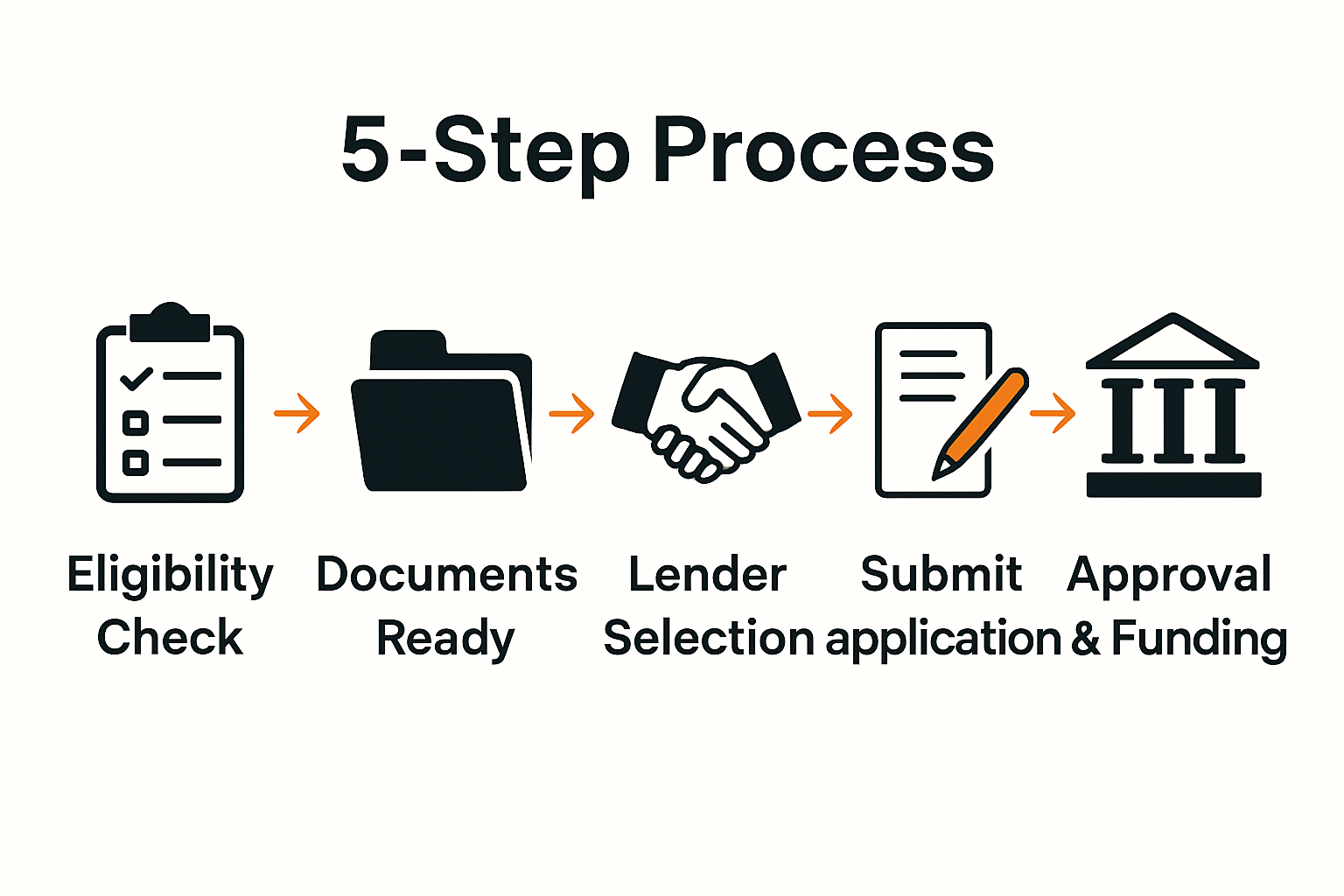
- Step 1: Assess Eligibility And Financing Needs
- Step 2: Gather Required Documentation And Credit Reports
- Step 3: Select The Right Commercial Lender
- Step 4: Complete And Submit The Mortgage Application
- Step 5: Verify Terms And Finalize Your Funding
Quick Summary
| Main Insight | Explanation |
|---|---|
| 1. Assess Financial Health Before Applying | Evaluate your business’s creditworthiness and financial stability by reviewing key documents like financial statements and credit reports. |
| 2. Gather Necessary Documentation Carefully | Compile essential documents such as tax returns, balance sheets, and personal credit reports in an organized manner for lender scrutiny. |
| 3. Choose the Right Lender | Select a lender who specializes in your property type, offers flexibility, and understands your unique business needs. |
| 4. Review the Application Thoroughly | Ensure all sections of your mortgage application are accurately completed and all supporting documents are included before submission. |
| 5. Verify Loan Terms Carefully | Examine the loan commitment letter in detail, seeking advice if needed to understand all conditions before finalizing your mortgage. |
Step 1: Assess Eligibility and Financing Needs
Assessing your commercial mortgage eligibility is like mapping out a financial roadmap before a major journey. In this critical first step, you’ll evaluate your business’s financial health, creditworthiness, and specific lending requirements to determine your mortgage potential.
Start by gathering comprehensive financial documentation that demonstrates your business’s stability and growth potential. This means collecting three to five years of detailed financial statements, tax returns, profit and loss reports, and a current balance sheet. Lenders want to see consistent business operational history that proves your enterprise can sustain mortgage payments. Pay special attention to your business’s cash flow patterns, which will significantly influence a lender’s perception of your risk profile.
Your personal and business credit scores play a pivotal role in this assessment. Most commercial mortgage providers will scrutinize both your personal credit history and your business’s credit rating. Aim for a personal credit score above 680 and a business credit score that shows consistent, responsible financial management. If your scores aren’t stellar, consider working with a mortgage broker who specializes in helping businesses with complex credit profiles. They can help you understand potential financing options and strategies for improving your lending attractiveness.
Pro Tip: Before applying, request and review your credit reports from major credit bureaus to identify and address any potential issues that might impact your mortgage application.
The next step in your commercial mortgage journey involves determining your precise financing needs. Calculate exactly how much capital you require, considering not just the property purchase price but also potential renovation costs, closing expenses, and a financial buffer for unexpected challenges. By presenting a clear, well-researched financing request, you demonstrate professionalism and increase your chances of mortgage approval.
Step 2: Gather Required Documentation and Credit Reports
Now that you understand your eligibility, it’s time to compile the critical financial documentation that will make or break your commercial mortgage application. Think of this step as building a comprehensive financial portfolio that tells your business’s complete story to potential lenders.

Start by collecting essential business documentation that provides a holistic view of your financial health. This comprehensive package typically includes your business’s tax returns for the past three to five years, detailed profit and loss statements, current balance sheets, and bank statements. Lenders will scrutinize these documents to assess your business’s revenue stability, cash flow patterns, and overall financial performance. Pro tip: Organize these documents chronologically and ensure they are clear, legible, and professionally presented.
Parallel to your business documents, you’ll need to gather personal financial records. Request comprehensive credit reports from major credit bureaus like Transunion, reviewing them meticulously for any potential errors or areas that might raise red flags with lenders. Your personal credit score plays a significant role in determining your mortgage terms, so consider working with a financial advisor to address any credit issues before submission. Pay special attention to your debt-to-income ratio, outstanding loans, and payment history.
Pro Tip: Request credit reports at least 90 days before your mortgage application to allow time for potential corrections or improvements.
Compile these documents into a well-organized portfolio that demonstrates your business’s financial reliability and your personal financial responsibility. The more transparent and comprehensive your documentation, the more confidence you’ll inspire in potential lenders.
Step 3: Select the Right Commercial Lender
Choosing the right commercial lender is like finding a strategic financial partner who understands your business’s unique growth trajectory. This critical step goes beyond simply comparing interest rates and involves evaluating potential lending partners who can truly support your commercial real estate objectives.
Start by researching lenders who specialize in your specific commercial property type. Different financial institutions have varying appetites for risk and expertise in sectors like retail, industrial, multifamily, or office spaces. Alternative commercial financing options can provide more flexible solutions if traditional bank lending proves challenging. Look for lenders who demonstrate a nuanced understanding of your industry and show willingness to customize loan terms to match your business model.
Evaluate potential lenders across multiple dimensions beyond just interest rates. Consider their loan term flexibility, prepayment penalty structures, documentation requirements, and overall responsiveness. A lender who offers comprehensive mortgage guidance can be an invaluable resource throughout your financing journey. Request detailed loan proposals from at least three to five different lenders to create a comprehensive comparison. Pay close attention to their experience with businesses similar to yours and their track record of supporting companies in your specific market segment.
Pro Tip: Don’t just focus on the lowest rate. A slightly higher interest rate with more flexible terms can provide significantly more long term financial advantages.
The lender you choose will be more than a funding source they will be a potential long term financial partner. Take your time. Ask probing questions. Trust your instincts about their communication style and commitment to understanding your unique business needs.
Step 4: Complete and Submit the Mortgage Application
Submitting your commercial mortgage application is the critical moment where preparation meets opportunity. This step transforms all your carefully gathered documentation and strategic research into a compelling financial narrative that can unlock your business’s real estate potential.
Begin by meticulously reviewing the application package, ensuring every section is completed with precision and consistency. Mortgage qualification guidelines emphasize the importance of accuracy in every detail. Double check that all financial statements match your previously submitted documents, personal information is current, and business details are comprehensive. Pay special attention to sections requesting business projections, property details, and your intended use of the commercial space. Include supplementary documentation that strengthens your application such as detailed business plans, property appraisal reports, and comprehensive cash flow projections.
During the submission process, maintain open communication channels with your selected lender. Some applications require additional clarification or supplemental documentation. Be prepared to quickly respond to any requests and maintain a professional demeanor throughout the process. Your responsiveness and preparedness can significantly influence the underwriter’s perception of your business’s reliability. Consider scheduling a brief follow up conversation with your loan officer to walk through the application and address any potential questions proactively.
Pro Tip: Create digital and physical copies of your entire application package before submission. This provides a backup and allows you to reference the exact information you presented.
Remember that your application is more than just paperwork it is a comprehensive representation of your business’s financial health and growth potential. Approach the submission with confidence, knowing you have thoroughly prepared each aspect of your commercial mortgage application.
Step 5: Verify Terms and Finalize Your Funding
Reaching the final stages of your commercial mortgage application is an exciting milestone that demands careful attention and strategic review. This critical phase transforms your financial aspirations into a concrete funding arrangement with potentially transformative implications for your business.
Carefully review every element of the loan commitment letter, paying meticulous attention to interest rates, loan duration, prepayment conditions, and any additional fees or clauses. The role of mortgage brokers becomes particularly valuable during this complex verification process, offering expertise in interpreting intricate financial terms. Scrutinize the fine print for any potential restrictions on property use, mandatory insurance requirements, or financial covenants that might impact your business operations. Compare the final terms against the initial proposals you received to ensure complete alignment with your original expectations and financial strategy.
Consult with a financial advisor or legal professional to perform a comprehensive review of the loan documents. They can help identify potential risks or negotiate more favorable terms that you might have overlooked. Some lenders include complex language around loan disbursement, reporting requirements, or financial performance metrics that could significantly influence your future financial flexibility. Understand precisely how and when funding will be released, and confirm all documentation requirements for final loan approval.
Pro Tip: Create a detailed checklist of all loan terms and conditions before signing, ensuring you have a clear understanding of every financial commitment.
The funding verification process is your final opportunity to align the mortgage terms with your business growth strategy. Approach this step with patience, thoroughness, and a commitment to protecting your financial interests.
Take Control of Your Commercial Mortgage Journey Today
Navigating the complex steps of commercial mortgage approval requires clear financial evidence, a deep understanding of lending options, and a trusted partner by your side. If you are struggling with gathering the right documentation, selecting the best lender, or finalizing your financing terms, you are not alone. The stakes are high when committing to commercial real estate financing, and Craigburn Capital specializes in turning these challenges into tailored solutions that fit your unique business needs. From improving your credit standing to accessing exclusive competitive rates, Craigburn Capital offers expert guidance where it counts.
Empower your business with personalized commercial financing assistance from a brokerage that knows the market and your goals. Visit Craigburn Capital now to explore specialized services including private lending, flexible commercial loans, and expert mortgage advice. Don’t wait for uncertainty to hold your business back. Take the next step toward securing fast approval and favorable mortgage terms today by contacting our team of experts who are ready to help you succeed.
Frequently Asked Questions
What documents do I need for a commercial mortgage application?
To complete a commercial mortgage application, you need several key documents including three to five years of financial statements, tax returns, profit and loss reports, and a current balance sheet. Gather these documents to demonstrate your business’s financial stability and readiness to lenders.
How can I improve my chances of getting approved for a commercial mortgage?
To enhance your approval chances, ensure your personal credit score is above 680 and your business credit score reflects responsible financial management. Consider working with a mortgage broker specialized in commercial loans to identify options that suit your financial profile.
What should I look for when choosing a commercial lender?
When selecting a commercial lender, focus on their experience with your specific property type, interest rates, and loan term flexibility. Evaluate their responsiveness and willingness to customize loan terms to match your business needs for a more beneficial partnership.
How can I accurately assess my financing needs for a commercial mortgage?
To accurately assess your financing needs, calculate the total capital required by accounting for the property purchase price, renovation costs, closing expenses, and a buffer for unexpected costs. Define these elements clearly to present a solid request to lenders.
What are the steps to take after submitting my commercial mortgage application?
After submitting your application, maintain open communication with your lender to address any additional requests or questions. Prepare for potential follow-ups and ensure you have documentation ready for review to showcase your responsiveness and commitment.
What should I verify before finalizing my mortgage terms?
Before finalizing your mortgage terms, review the loan commitment letter carefully, focusing on interest rates, loan duration, and any additional fees. Create a checklist to compare the final terms against initial proposals to ensure they align with your financial strategy.

