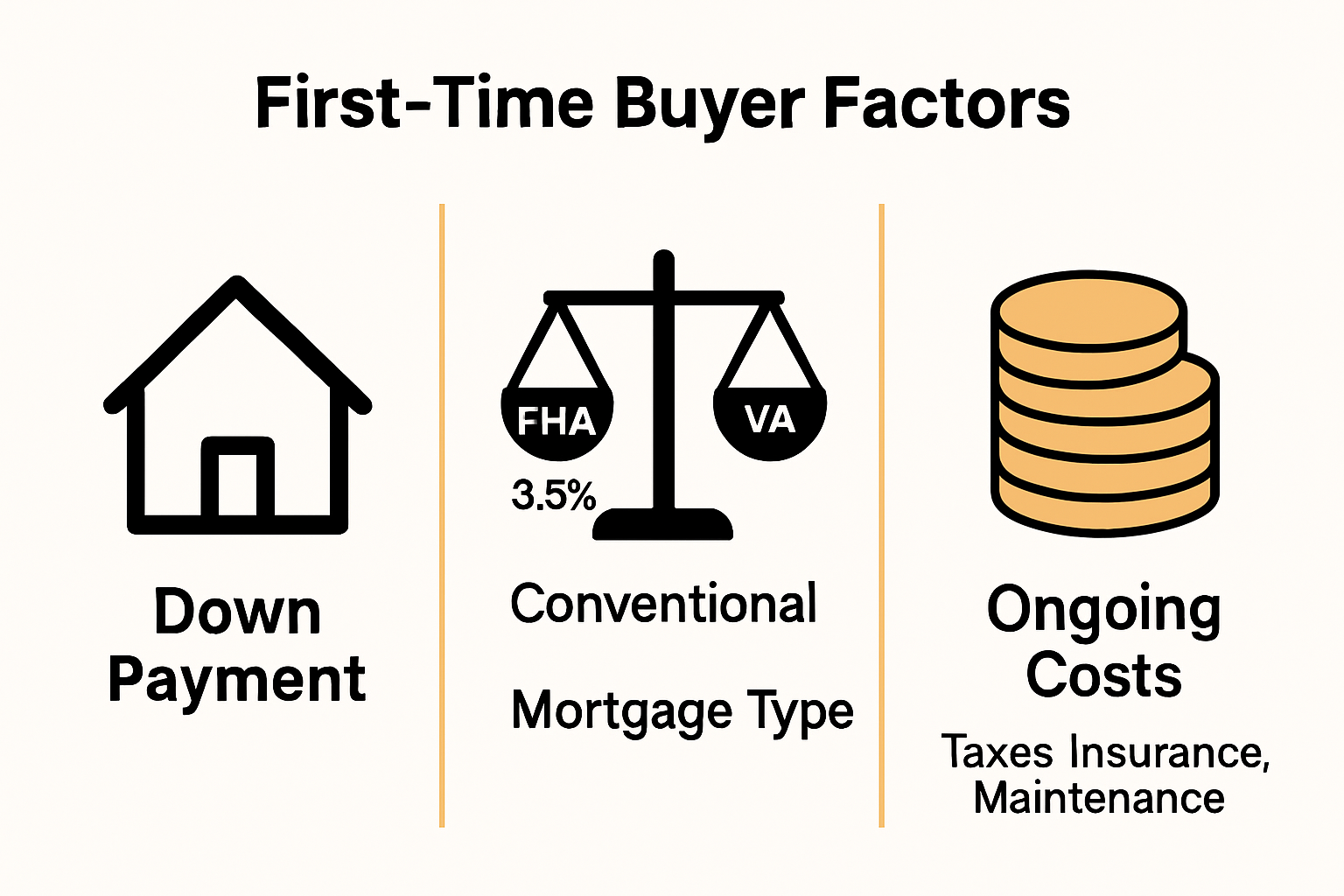
What Is Home Equity and Why It Matters

Over 60 percent of American homeowners are building wealth every month without even realizing it. Understanding home equity can be a game changer for anyone trying to make the most of their property investment. Decoding how equity works helps you see your house as more than shelter. Get a clear, practical explanation of how American homeowners gain, use, and grow this hidden financial resource.

Table of Contents

Key Takeaways

Point Details
Understanding Home Equity Home equity is the financial value homeowners possess in their property, calculated by deducting the mortgage balance from the market value.
Ways to Build Equity Home equity grows through consistent mortgage payments and property appreciation, enhanced by smart home improvements.
Accessing Home Equity Homeowners can access equity through home equity loans, HELOCs, or cash-out refinancing, but must evaluate risks and benefits.
Alternatives to Home Equity Personal loans and budget optimization can provide financial relief without risking home ownership, offering safer pathways to access funds.

Home Equity Explained in Simple Terms

Home equity represents the financial value a homeowner has accumulated in their property. It is essentially the portion of your home that you truly own, calculated by subtracting any outstanding mortgage balance from the property’s current market value.

Understanding home equity starts with recognizing how it grows. When you make mortgage payments, a portion goes toward reducing your principal balance, while property appreciation contributes additional value. First-time homebuyers can build equity through consistent mortgage payments and strategic property improvements that increase the home’s overall market value.

The concept of home equity is more than just a number. It functions as a powerful financial tool that homeowners can leverage for various purposes. Homeowners can potentially access their equity through methods like home equity loans or lines of credit, which provide flexible financing options for major expenses such as home renovations, debt consolidation, or educational investments. By understanding how home equity works, you transform your property from merely a living space into a dynamic financial asset that can support your long-term economic goals.

How Home Equity Builds Over Time

Home equity grows through two primary mechanisms: consistent mortgage payments and property value appreciation. When homeowners make monthly mortgage payments, a portion goes directly toward reducing the principal balance, which incrementally increases their ownership stake in the property.
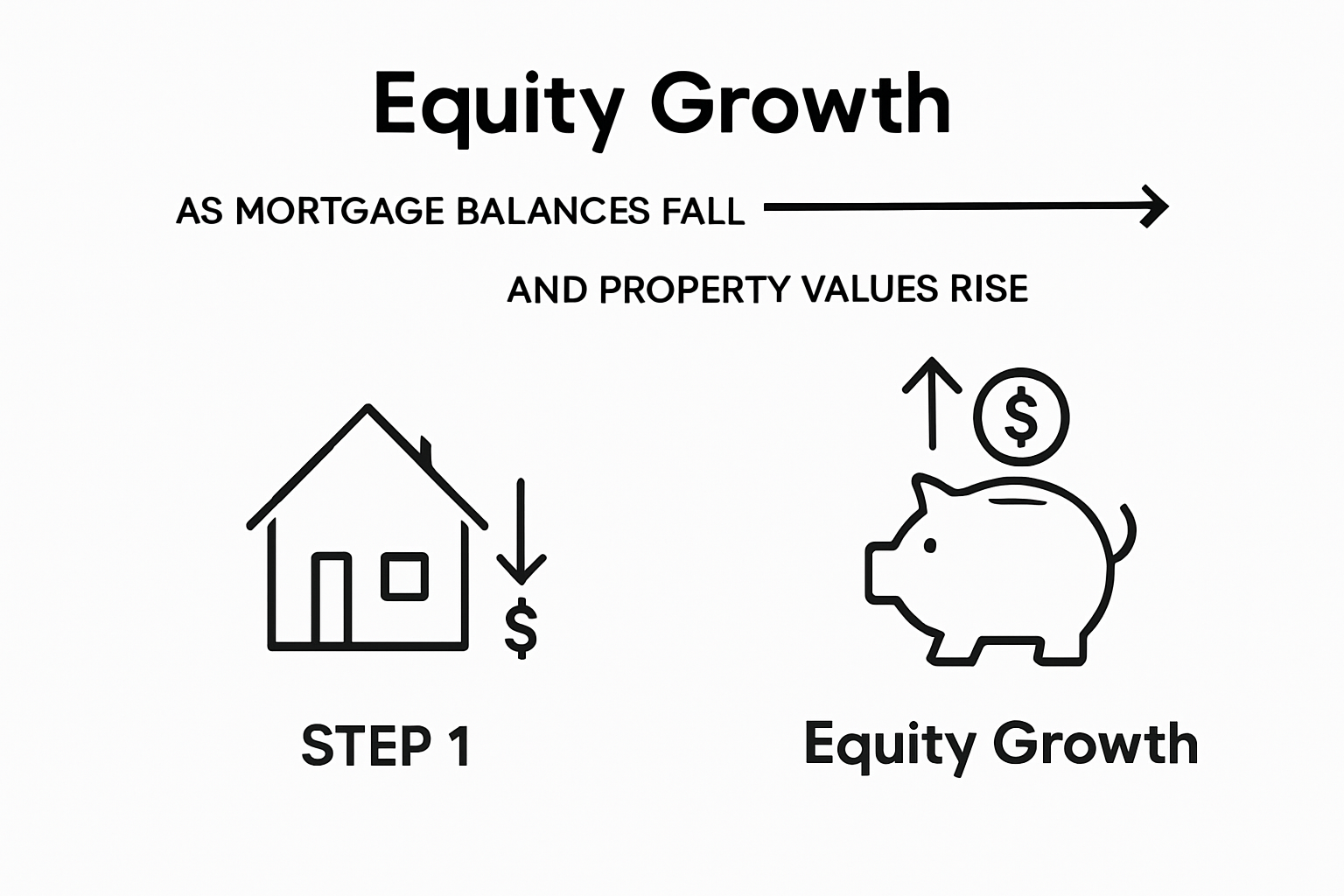
Infographic showing how home equity builds

Property appreciation plays a critical role in equity accumulation. Strategic home improvements can significantly boost a property’s market value, creating additional equity beyond standard mortgage payments. For example, targeted renovations like kitchen upgrades or energy-efficient installations can yield substantial returns by increasing the home’s overall market worth.

Couple discusses home improvement plans together

Homeowners can accelerate their equity growth through proactive strategies. Making extra principal payments, choosing shorter loan terms, and maintaining the property’s condition are powerful methods for building wealth. These approaches not only reduce outstanding mortgage balances faster but also position homeowners to maximize their long-term financial potential. By understanding and implementing these techniques, individuals can transform their home from a simple living space into a robust financial asset that contributes meaningfully to their personal wealth portfolio.

Common Ways to Access Home Equity

Home equity loans provide homeowners with multiple strategic options for accessing the value they have built in their property. First-time homebuyers and experienced property owners alike can leverage different financial instruments to tap into their home’s accumulated value.

Homeowners typically have three primary methods for accessing home equity: home equity loans, home equity lines of credit (HELOCs), and cash-out refinancing. Home equity loans offer a lump-sum payment with fixed interest rates, making them ideal for specific large expenses like home renovations or debt consolidation. HELOCs, in contrast, function more like a credit card, allowing borrowers to draw funds as needed up to a predetermined credit limit with typically variable interest rates.

Each equity access method comes with unique advantages and potential risks. Cash-out refinancing replaces the existing mortgage with a larger loan, enabling homeowners to receive the difference in cash. When considering these options, it’s crucial to evaluate factors such as current interest rates, personal financial goals, repayment capabilities, and potential tax implications. Careful assessment helps ensure that accessing home equity aligns with long-term financial strategies and doesn’t compromise overall financial stability.

Risks and Costs of Using Home Equity

Home equity borrowing comes with significant financial responsibilities that require careful evaluation. Guidelines for first-time buyers emphasize the critical importance of understanding potential risks before accessing home equity funds.

The most serious risk associated with home equity borrowing is the potential for foreclosure. When homeowners use their property as collateral, failure to meet repayment obligations can result in losing their home. This risk is particularly pronounced during economic downturns or personal financial challenges, making it essential to maintain a robust emergency fund and carefully assess repayment capabilities before accessing home equity.

Beyond foreclosure, home equity borrowing involves several additional financial considerations. Upfront costs can include origination fees, closing costs, and potential appraisal expenses that increase the overall borrowing expense. Variable interest rates, especially with home equity lines of credit, can lead to unpredictable monthly payments. Moreover, borrowing against home equity reduces the owner’s existing equity stake and can potentially leave homeowners underwater if property values decline, creating a scenario where they owe more than the home’s current market value.

Alternatives to Tapping Home Equity

Homeowners facing financial challenges have multiple strategies to explore before leveraging their home’s equity. Non-traditional income mortgage options can provide alternative pathways to accessing funds without risking home ownership.

Personal loans and credit card balance transfers represent two primary alternatives to home equity borrowing. These financial tools can help consolidate debt or cover unexpected expenses without putting your property at risk. Personal loans typically offer fixed interest rates and predictable repayment schedules, making them an attractive option for those seeking financial flexibility without using their home as collateral.

Budget optimization presents another powerful alternative to tapping home equity. By carefully reviewing monthly expenses, negotiating existing debt, and identifying potential savings opportunities, homeowners can often generate additional financial breathing room. Strategies like reducing discretionary spending, refinancing existing loans at lower interest rates, and exploring additional income streams can provide the financial relief sought through home equity borrowing, while preserving the long-term value of your most significant asset.

Turn Your Home Equity Into Financial Strength Today

Understanding home equity is the first step toward unlocking your home’s true financial potential. Whether you are looking to make strategic improvements, consolidate debt, or invest in your future, the challenge lies in accessing your equity wisely without risking your most valuable asset. At Craigburn Capital, we understand the concerns about repayment risks, foreclosure, and fluctuating interest rates discussed in the article “What Is Home Equity and Why It Matters.” That is why we specialize in personalized mortgage solutions designed to fit your unique financial situation.

https://craigburn.com

Take control of your home equity with tailored lending options such as private lending, commercial financing, or specialized programs for first-time homebuyers. Visit Craigburn Capital now to explore how our competitive and exclusive rates can help you leverage your home’s value safely. Do not wait until financial pressure mounts. Act now to empower your financial future and build the security you deserve with expert guidance every step of the way.

Frequently Asked Questions

What is home equity?

Home equity is the financial value a homeowner has in their property, calculated by subtracting any outstanding mortgage balance from the property’s current market value.

How do I build equity in my home?

Equity can be built through consistent mortgage payments that reduce the principal balance, as well as property appreciation that increases the home’s market value. Strategic home improvements can also enhance equity.

What are the ways to access home equity?

Homeowners can access home equity through home equity loans, home equity lines of credit (HELOCs), and cash-out refinancing, each offering different features and benefits.

What are the risks associated with using home equity?

The primary risks include potential foreclosure if repayment obligations are not met, upfront costs associated with borrowing, and the possibility of being underwater on the mortgage if property values decline.

First-Time Homebuyer Assistance: Unlocking Homeownership

Over half of American renters believe owning a home is out of reach, yet more options exist than many realize. As housing prices rise, the gap between dreams and reality can feel huge for first-time buyers. First-time homebuyer assistance programs offer vital support that helps American families move from renting to owning. By demystifying these programs, you open the door to life-changing benefits and smarter financial decisions.

Table of Contents

Key Takeaways

Point Details
First-Time Homebuyer Assistance Programs Designed to make homeownership attainable by providing financial and educational support to new buyers.
Types of Assistance Available Includes government loans, down payment assistance, tax credits, and occupation-based benefits targeting various demographics.
Eligibility Requirements Applicants must meet specific income, credit score, and educational criteria that vary by program.
Common Pitfalls Prospective buyers should avoid incomplete documentation and misunderstanding program requirements to ensure a successful application.

Defining First-Time Homebuyer Assistance Programs

First-time homebuyer assistance programs represent strategic financial initiatives designed to transform homeownership dreams into achievable realities. These programs are specifically crafted to support individuals entering the housing market for the first time, providing critical resources that bridge financial gaps and educational barriers.

At their core, first-time homebuyer assistance programs offer comprehensive support through multiple channels. Typical benefits include down payment assistance, reduced interest rates, educational workshops, and specialized mortgage products tailored to new homeowners. These programs recognize that purchasing a first home involves more than financial transactions—they aim to empower buyers with knowledge and financial tools.

The key components of most first-time homebuyer assistance programs generally encompass:

  • Financial Grants: Direct monetary support for down payments and closing costs
  • Low-Interest Loans: Specialized mortgage products with favorable terms
  • Credit Counseling: Free or reduced-cost guidance on improving creditworthiness
  • Educational Resources: Workshops and seminars about home purchasing processes
  • Flexible Qualification Standards: More inclusive eligibility requirements compared to traditional lending

By providing these multifaceted support mechanisms, first-time homebuyer assistance programs play a crucial role in expanding homeownership opportunities. They transform what might seem like an insurmountable financial challenge into an achievable milestone for many aspiring homeowners.

Main Types of Homebuyer Assistance Available

Government-backed loan programs represent one of the most comprehensive approaches to helping first-time homebuyers navigate the complex real estate landscape. These specialized financing options provide critical support by offering more flexible qualification standards, reduced down payment requirements, and favorable interest rates designed to make homeownership more accessible to individuals who might struggle with traditional mortgage parameters.

The primary types of homebuyer assistance available encompass several strategic financial support mechanisms. These diverse programs include:

  • Government Loans: FHA, VA, and USDA loans with unique benefits
  • Down Payment Assistance: Direct grants and low-interest loans for initial home purchase costs
  • Tax Credits: Financial incentives that reduce overall home buying expenses
  • Matched Savings Programs: Initiatives that multiply personal savings for home purchases
  • Educational Resources: Free counseling and home buying workshops
  • Occupation-Based Benefits: Special programs for specific professional groups

Unique assistance opportunities extend beyond traditional financing, with nonprofit and faith-based organizations also offering targeted support. These programs recognize that financial barriers can prevent talented, responsible individuals from achieving homeownership. By providing comprehensive assistance—ranging from monetary support to educational resources—these initiatives transform homeownership from an intimidating challenge into a realistic goal for many aspiring homeowners.

Volunteer explains homebuyer help at workshop

Eligibility Rules and Application Process Explained

Navigating the eligibility requirements for first-time homebuyer assistance programs demands careful preparation and understanding of complex financial criteria. Most assistance programs establish specific parameters that applicants must meet, including income thresholds, credit score minimums, and first-time homebuyer status verification.

Typical eligibility requirements generally encompass several key components:

  • Income Limits: Strict household income ranges that vary by program
  • Credit Score Requirements: Minimum credit scores typically between 620-680
  • First-Time Buyer Definition: Usually meaning no home ownership in the past three years
  • Residency Status: Proof of legal citizenship or permanent residency
  • Homebuyer Education: Mandatory completion of approved housing counseling courses
  • Property Restrictions: Limitations on home type, purchase price, and intended use

The application process for homebuyer assistance involves multiple strategic steps. Prospective buyers must compile comprehensive documentation including tax returns, employment verification, bank statements, and detailed financial history. Successful applicants typically demonstrate financial stability, responsible credit management, and a genuine commitment to homeownership through their comprehensive application package.

Unique programs often have nuanced qualification criteria that extend beyond basic financial metrics. Some initiatives target specific professional groups, provide additional support for first-generation homebuyers, or offer specialized assistance for individuals in critical community service roles. Understanding these intricate details can significantly enhance an applicant’s chances of securing valuable homebuyer assistance and transforming their homeownership aspirations into reality.

Financial Benefits and Long-Term Implications

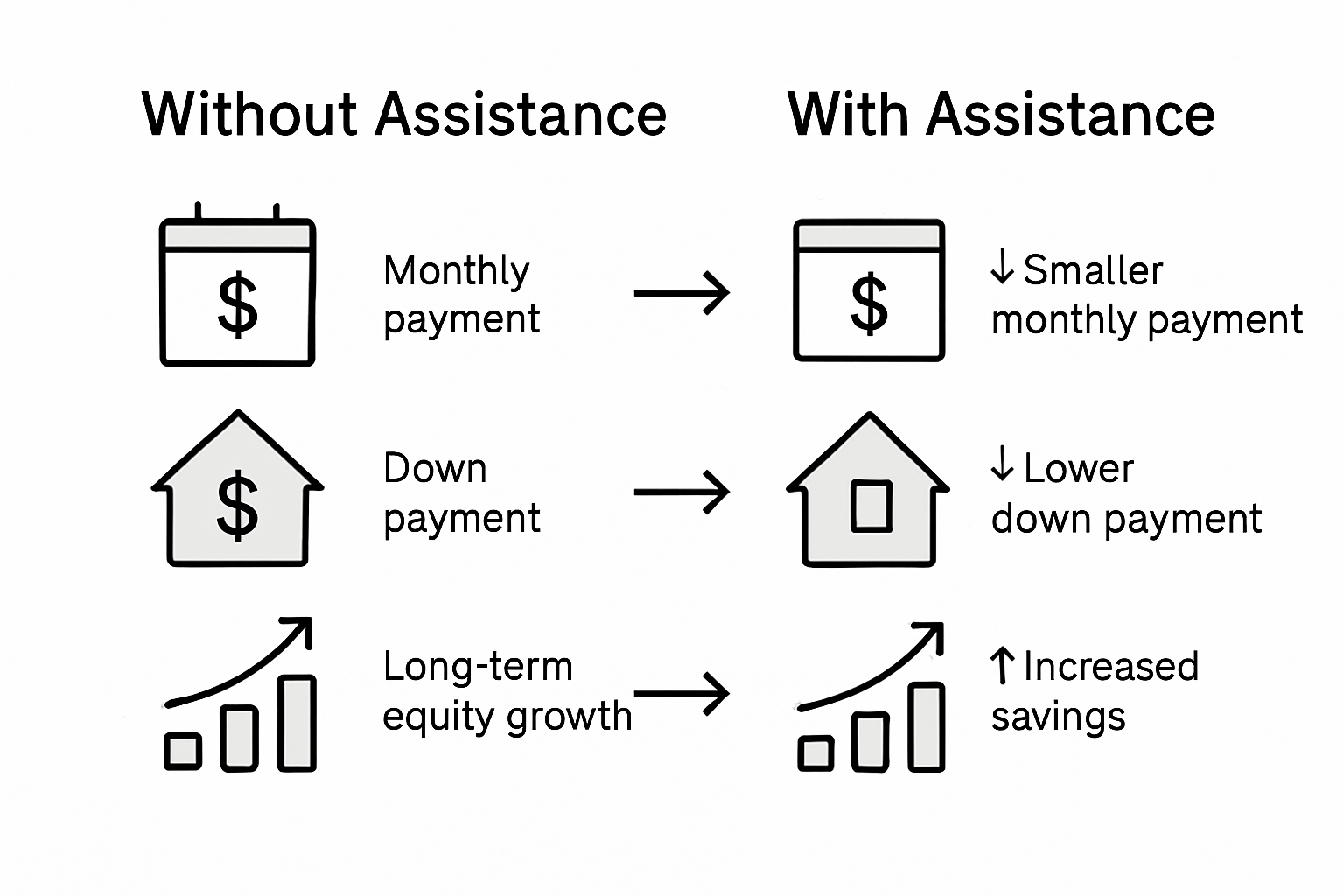
Government loan programs unlock substantial financial advantages that extend far beyond initial home purchase support. These specialized initiatives provide first-time homebuyers with strategic opportunities to build wealth, reduce upfront costs, and establish a robust financial foundation through carefully designed assistance mechanisms.

The primary financial benefits of homebuyer assistance programs include:

  • Reduced Down Payment Requirements: Minimizing initial cash outlays
  • Lower Interest Rates: Decreasing long-term borrowing expenses
  • Tax Credit Opportunities: Generating additional financial savings
  • Equity Building: Accelerating personal wealth accumulation
  • Credit Score Improvement: Establishing positive financial history
  • Mortgage Insurance Waivers: Reducing ongoing monthly expenses

Long-term financial implications require careful consideration beyond immediate monetary benefits. Potential homebuyers must evaluate program-specific requirements, potential repayment obligations, and the broader impact on personal financial trajectories. Some assistance programs may include contingencies like residency requirements, income restrictions, or mandatory holding periods that could influence future financial flexibility.

Beyond immediate financial relief, these programs represent strategic investments in personal economic empowerment. By providing accessible pathways to homeownership, first-time homebuyer assistance transforms what might seem like an insurmountable financial challenge into a realistic opportunity for building generational wealth and long-term financial stability.

Comparison infographic: with and without assistance

Common Pitfalls and How to Avoid Them

First-time homebuyer assistance programs offer incredible opportunities, but navigating their complex landscape requires strategic awareness and proactive planning. Potential homebuyers must remain vigilant about potential challenges that could derail their homeownership dreams or create unexpected financial complications.

The most critical pitfalls first-time buyers should anticipate include:

  • Incomplete Documentation: Failing to prepare comprehensive financial records
  • Credit Score Mismanagement: Neglecting credit health before application
  • Overlooking Hidden Costs: Underestimating expenses beyond mortgage payments
  • Program-Specific Restrictions: Misunderstanding eligibility requirements
  • Inadequate Financial Planning: Stretching budget beyond sustainable limits
  • Rushing the Application Process: Submitting incomplete or inaccurate information

Successful navigation of homebuyer assistance requires meticulous preparation and a comprehensive understanding of program nuances. Prospective buyers should invest time in financial counseling, thoroughly research available programs, and develop a strategic approach that addresses potential weaknesses in their application profile. This proactive strategy involves maintaining stable employment, minimizing debt, and building a robust savings history that demonstrates financial responsibility.

Ultimately, avoiding common pitfalls demands a combination of education, patience, and strategic financial management. By approaching homebuyer assistance programs with careful planning and a detailed understanding of potential challenges, first-time buyers can transform potential obstacles into stepping stones toward successful homeownership.

Take the First Step Toward Homeownership with Expert Mortgage Solutions

Navigating the complex world of first-time homebuyer assistance programs can feel overwhelming. You may be dealing with tight income limits, credit score requirements, or the challenge of completing all necessary documentation. Understanding terms like down payment assistance, low-interest loans, and homeowner education workshops is critical but often confusing. At Craigburn Capital, we specialize in transforming these challenges into opportunities by offering personalized mortgage solutions tailored specifically for first-time buyers facing these hurdles.

https://craigburn.com

Do not let the fear of paperwork or financial barriers hold you back. Visit Craigburn Capital now to explore how our competitive rates and exclusive programs can unlock your path to homeownership. Our experienced team provides free resources and strategic advice that empower you to avoid common pitfalls and maximize every available assistance program. Take control of your future today by contacting us and discovering options designed just for you.

Frequently Asked Questions

What are first-time homebuyer assistance programs?

First-time homebuyer assistance programs are financial initiatives designed to help individuals buy their first home. They typically offer down payment assistance, reduced interest rates, educational workshops, and specialized mortgage products tailored for new homeowners.

What types of assistance are available for first-time homebuyers?

Types of assistance often include government-backed loans (like FHA, VA, and USDA loans), down payment assistance grants, tax credits, matched savings programs, educational resources, and benefits for specific occupations.

What are the common eligibility requirements for these assistance programs?

Eligibility requirements usually include strict income limits, minimum credit score thresholds (generally between 620-680), proof of first-time buyer status, residency status, and completion of homebuyer education courses.

How can first-time homebuyer assistance programs benefit me financially in the long term?

These programs can lead to reduced down payment requirements, lower interest rates, tax credits, and help in building equity. They also provide opportunities for improved credit scores, which can significantly impact your financial growth over time.

7 Essential Steps in a First-Time Homebuyer Checklist

Over half of American homebuyers admit their biggest worry is misjudging what they can truly afford. With rising property prices and complex financing options, even experienced buyers can feel anxious. Understanding each step gives you the confidence to make smart choices, protect your investment, and avoid unnecessary stress. This practical guide uncovers proven strategies and insider tips to help every American navigate the journey from budgeting to closing with clarity.

Table of Contents

Quick Summary

Takeaway Explanation
1. Establish a Realistic Homebuying Budget Create a budget that includes all housing expenses to avoid financial strain and understand your purchasing power.
2. Improve Your Credit Score Focus on timely payments and maintaining low credit utilization to enhance your creditworthiness for better mortgage rates.
3. Obtain Mortgage Pre-Approval Get pre-approved to clarify your financial situation and signal serious intent to sellers, streamlining the buying process.
4. Explore Down Payment Options Investigate various down payment programs and consider your financial flexibility to minimize upfront costs.
5. Choose a Knowledgeable Real Estate Agent Select an agent well-versed in your desired market to navigate the homebuying process efficiently and with confidence.

1. Determine Your Homebuying Budget

Building a realistic home buying budget is your financial roadmap to homeownership. This crucial first step helps you understand exactly what you can afford without overextending your finances.

To create an accurate budget, you need to look beyond just the mortgage payment. The Consumer Financial Protection Bureau recommends calculating a comprehensive monthly housing expense that includes several key components:

Key Monthly Expenses to Consider:

  • Mortgage principal and interest
  • Property taxes
  • Homeowners insurance
  • Potential association or HOA fees
  • Utility costs
  • Home maintenance and repair budget (typically 1-3% of home’s value annually)

Professional mortgage advisors suggest using the 28/36 rule as a guideline. This means your monthly mortgage payment should not exceed 28% of your gross monthly income, and your total monthly debt payments should stay under 36%.

To get a precise picture of your home buying potential, take these strategic steps:

  1. Check Your Credit Score: Review your credit report and resolve any issues that could impact your loan terms
  2. Calculate Your Debt-to-Income Ratio: Lenders use this to determine how much you can borrow
  3. Get Pre-Approved: Obtain a mortgage pre-approval to understand your exact borrowing capacity

The National Association of Home Builders emphasizes setting aside additional contingency funds for unexpected expenses. A good rule of thumb is to have 3-6 months of housing expenses saved beyond your down payment.

Remember: Your budget is not just about what a lender says you can borrow, but what you comfortably afford while maintaining financial stability and future goals.

2. Check and Improve Your Credit Score

Your credit score is the financial passport to homeownership, acting as a critical factor in determining mortgage approval and interest rates. Understanding and optimizing this crucial metric can save you thousands of dollars over your home loan’s lifetime.

Credit scores range from 300 to 850, with lenders typically seeking scores above 680 for competitive mortgage rates. Credit scores in mortgages play a significant role in your borrowing potential.

Key Factors Influencing Credit Scores:

  • Payment history (35% of score)
  • Credit utilization (30% of score)
  • Length of credit history (15% of score)
  • New credit applications (10% of score)
  • Credit mix (10% of score)

The Consumer Financial Protection Bureau recommends several strategic steps to improve your credit profile:

Practical Credit Improvement Strategies:

  1. Pay All Bills on Time: Set up automatic payments to ensure consistent, punctual bill settlements
  2. Reduce Credit Utilization: Keep credit card balances below 30% of your total credit limit
  3. Avoid Multiple Credit Applications: Space out credit inquiries to prevent score drops
  4. Maintain Long Standing Accounts: Keep older credit accounts open to demonstrate credit history
  5. Diversify Credit Types: Mix credit cards, installment loans, and other credit forms

Pro tip: Request free annual credit reports from major bureaus and carefully review them for errors. Dispute any inaccuracies immediately to prevent unnecessary score damage.

Remember that improving your credit score is a marathon, not a sprint. Consistent, responsible financial behavior will gradually enhance your creditworthiness and open doors to better mortgage opportunities.

3. Get Pre-Approved for a Mortgage

Mortgage pre-approval is your golden ticket in the homebuying journey, providing a clear financial roadmap and demonstrating serious intent to sellers. Think of it as your financial credibility stamp that tells everyone you are ready to make a home purchase.

The guide to qualifying for a mortgage reveals critical insights into this process. The National Association of Home Builders explains that pre-approval involves a comprehensive evaluation of your financial standing, where lenders meticulously assess your ability to repay a home loan.

What Pre-Approval Reveals:

  • Maximum loan amount you qualify for
  • Potential interest rates
  • Specific loan programs matching your financial profile
  • Your genuine purchasing power in the real estate market

Documents Needed for Pre-Approval:

  • Proof of income (W2s, tax returns)
  • Recent bank statements
  • Employment verification
  • Credit history
  • Identification documents

Key Pre-Approval Benefits:

  1. Provides a precise budget for home shopping
  2. Demonstrates serious buyer status to sellers
  3. Speeds up the final mortgage approval process
  4. Helps identify potential lending challenges early

The Consumer Financial Protection Bureau recommends thoroughly checking your credit and assessing spending habits before applying. Lenders will scrutinize your credit score, debt-to-income ratio, and overall financial stability.

Pro tip: Pre-approval letters are typically valid for 60 to 90 days. Plan your home search strategically within this window to maximize your pre-approval’s effectiveness.

4. Research Down Payment Options

The down payment is your initial financial gateway to homeownership, representing your first significant investment in your future home. Understanding the landscape of down payment options can save you thousands and unlock opportunities you might not have considered.

First-time homebuyer tips for smart financing reveal multiple strategies for navigating this critical financial decision. The Consumer Financial Protection Bureau highlights several compelling down payment pathways.

Down Payment Percentage Options:

  • Conventional Loans: As low as 3% down
  • FHA Loans: Minimum 3.5% down
  • VA Loans: Potentially zero down payment for veterans
  • USDA Loans: Zero down for rural home purchases

Additional Down Payment Resources:

  • State government assistance programs
  • Local nonprofit down payment grants
  • First-time homebuyer special financing
  • Employer sponsored housing assistance

Strategic Down Payment Considerations:

  1. Lower down payments mean higher monthly mortgage payments
  2. 20% down typically eliminates private mortgage insurance
  3. Consider your long term financial flexibility
  4. Explore first-time homebuyer specific programs

The National Association of Home Builders recommends maintaining contingency funds beyond your down payment. Aim to have additional savings for closing costs, potential repairs, and unexpected expenses.

Pro tip: Some specialized loan programs offer down payment assistance specifically designed for first-time homebuyers, potentially reducing your upfront costs dramatically.

5. Find the Right Real Estate Agent

Your real estate agent is more than a property tour guide they are your strategic partner in navigating the complex world of home purchasing. Choosing the right professional can mean the difference between a smooth transaction and a stressful ordeal.

The Consumer Financial Protection Bureau recommends building a network of trusted advisors who can guide you through the homebuying journey. The National Association of Realtors emphasizes the importance of working with a licensed professional committed to ethical standards.

Qualities of an Exceptional Real Estate Agent:

  • Deep knowledge of local market conditions
  • Strong negotiation skills
  • Proven track record in your target neighborhood
  • Responsive communication style
  • Transparent and honest approach

Interview Process for Finding Your Agent:

  1. Request references from recent clients
  2. Review their professional credentials
  3. Discuss their specific experience with first-time homebuyers
  4. Understand their commission structure
  5. Assess their communication responsiveness

Red Flags to Watch For:

  • Agents pushing you toward properties outside your budget
  • Lack of clear communication
  • Minimal local market knowledge
  • Unwillingness to provide client references
  • High pressure sales tactics

Pro tip: Trust your instincts. The right agent will make you feel heard, respected, and confident throughout your homebuying journey.

6. View Homes and Make an Offer

Viewing homes and crafting a competitive offer is where your homebuying journey transforms from theoretical planning to real world strategy. This critical phase requires a delicate balance of emotional connection and financial precision.

The Consumer Financial Protection Bureau recommends thoroughly understanding your budget and affordability factors before stepping into potential new homes. The National Association of Home Builders emphasizes setting aside contingency funds to strengthen your negotiating position.

Strategic Home Viewing Approach:

  • Attend multiple open houses
  • Take detailed notes and photographs
  • Compare properties objectively
  • Consider future resale potential
  • Evaluate neighborhood characteristics

Components of a Strong Purchase Offer:

  1. Competitive pricing based on comparable sales
  2. Reasonable contingency clauses
  3. Proof of financial pre-approval
  4. Flexible closing timeline
  5. Minimal seller concessions

Critical Offer Considerations:

  • Market conditions impact negotiation strategy
  • Emotional attachment can cloud financial judgment
  • Professional agent guidance is invaluable
  • Written offer demonstrates serious intent
  • Be prepared for potential counteroffers

Pro tip: View homes with a critical eye. What looks perfect today might reveal hidden challenges upon closer inspection.

7. Complete Inspections and Close the Deal

The final stage of homebuying is both exhilarating and nerve-wracking a culmination of your financial journey where careful preparation meets critical decision making. This is where your diligence transforms into actual homeownership.

The Consumer Financial Protection Bureau emphasizes understanding the full spectrum of homeownership responsibilities beyond the purchase. The National Association of Home Builders recommends maintaining contingency funds to navigate unexpected challenges.

Home Inspection Checklist:

  • Structural integrity assessment
  • Electrical system evaluation
  • Plumbing and water system review
  • Roof and foundation examination
  • Pest and environmental hazard screening

Closing Process Essentials:

  1. Final walk through of the property
  2. Review all closing documents carefully
  3. Understand closing costs and fees
  4. Confirm insurance and title transfer
  5. Secure cashiers check for payment

Critical Closing Considerations:

  • Bring multiple forms of identification
  • Request copies of all signed documents
  • Verify utility transfer arrangements
  • Complete change of address procedures
  • Schedule initial home maintenance tasks

Pro tip: Approach closing day with calm preparation. This is your moment of triumph in the homebuying marathon.

Below is a comprehensive table summarizing the key homebuying steps and strategies discussed throughout the article.

Main Step Key Points & Actions Benefits/Outcomes
Determine Homebuying Budget Consider all monthly expenses: mortgage, taxes, insurance, utilities; follow the 28/36 rule Prevents financial overextension, aids in precise budget planning
Check and Improve Credit Score Pay bills on time; reduce credit utilization; review credit reports Enhances mortgage approval odds and interest rate offers
Get Pre-Approved for a Mortgage Gather financial documents; understand your borrowing capacity Increases buyer credibility and accelerates purchase process
Research Down Payment Options Explore FHA, VA, USDA loans; consider government assistance Reduces initial costs and helps manage financial flexibility
Find the Right Real Estate Agent Evaluate agent experience; ensure market knowledge and communication skills Smooths purchasing process and strengthens negotiation position
View Homes and Make an Offer Attend open houses; make competitive offers; include pre-approval proof Improves chance of securing desired properties
Complete Inspections and Close Deal Conduct thorough inspections; review all documents; confirm title transfer Ensures informed decision making and successful homeownership

Take Control of Your Homebuying Journey with Expert Mortgage Solutions

Navigating the “7 Essential Steps in a First-Time Homebuyer Checklist” can feel overwhelming when facing challenges like budgeting, credit improvement, and securing the right mortgage. You want confident decisions backed by tailored financing options that fit your unique situation. Whether you are struggling with understanding down payment options, seeking pre-approval, or finding exclusive loan programs, personalized guidance is the key to turning your homeownership dream into reality.

https://craigburn.com

Discover how Craigburn Capital specializes in providing competitive mortgage solutions for first-time buyers, including specialized programs for those with less-than-perfect credit or self-employed individuals. Don’t let uncertainty hold you back. Visit Craigburn Capital now to access free resources and connect directly with experts ready to empower your journey. Get pre-approved, explore unique lending options, and make your offer with confidence today by visiting Craigburn Mortgage Solutions and learning about First-Time Homebuyer Assistance. Your path to homeownership starts with the right support. Take the first step today.

Frequently Asked Questions

What is the first step in a first-time homebuyer checklist?

The first step is to determine your homebuying budget. Analyze your income and expenses, including mortgage, taxes, insurance, and utilities, to create a realistic budget that you can comfortably afford.

How do I check and improve my credit score before purchasing a home?

Start by reviewing your credit report for any errors and paying all bills on time to maintain a positive payment history. Aim to keep your credit utilization below 30% and avoid multiple credit applications to boost your score effectively.

Why is getting pre-approved for a mortgage important?

Mortgage pre-approval is significant because it provides a clear understanding of your borrowing capacity and shows sellers that you are a serious buyer. Gather necessary documents such as proof of income and recent bank statements, then submit them to lenders to receive your pre-approval letter.

What should I consider when researching down payment options?

When researching down payment options, consider the percentage required for different loan types and potential assistance programs available for first-time buyers. Aim for a down payment that balances manageable monthly payments with your financial flexibility, ideally exploring options with lower requirements.

How do I find the right real estate agent for my home purchase?

To find the right real estate agent, look for professionals with strong local market knowledge and experience working with first-time homebuyers. Interview potential agents by asking for references and discussing their approach to negotiation and communication before making a decision.

What should I include in my offer when viewing homes?

Include competitive pricing based on recent sales and reasonable contingency clauses in your offer. Ensure you provide proof of financial pre-approval and a flexible closing timeline to strengthen your position during negotiations.

Why Work With Mortgage Brokers: Smarter Home Financing

Over half of all American homebuyers rely on mortgage brokers to sort through the maze of loan products and lenders. Choosing the right financing partner is a decision that can shape your financial future, especially with so many options vying for your attention. Discover why understanding the real role of mortgage brokers could mean better rates, fewer headaches, and a smoother home buying experience in the often complicated American real estate market.

Table of Contents

Key Takeaways

Point Details
Role of Mortgage Brokers Brokers act as intermediaries between borrowers and lenders, offering access to multiple loan options tailored to individual financial needs.
Benefits of Using Brokers They help facilitate competition among lenders, potentially leading to lower interest rates and better loan terms for borrowers.
Types of Brokers Brokers can specialize in residential or commercial loans, catering to different borrower needs based on their financial situations.
Navigating Costs and Risks Borrowers should be aware of potential conflicts of interest due to commission-based compensation and should seek detailed fee information before proceeding.

What Mortgage Brokers Really Do

Mortgage brokers are financial professionals who act as critical intermediaries between borrowers and lenders, simplifying what can often be a complex home financing journey. Unlike bank loan officers who represent a single institution, brokers work independently to connect you with multiple lending options tailored to your specific financial situation.

These professionals do much more than just matchmaking. Mortgage brokers facilitate competition among lenders, which can potentially help borrowers secure more advantageous loan terms. By leveraging their extensive network of lending relationships, they can quickly identify and present loan products that align with your unique credit profile, income level, and homeownership goals.

The core responsibilities of mortgage brokers include:

  • Analyzing your financial background and credit history
  • Comparing loan options from multiple lenders
  • Negotiating interest rates and loan terms
  • Guiding you through complex application paperwork
  • Providing personalized financial advice

While brokers typically earn commissions from lenders, reputable professionals prioritize finding the best solution for their clients. Research indicates that brokers act as intermediaries who assist in loan selection processes, helping borrowers navigate a landscape that can often feel overwhelming and opaque. Their expertise can be particularly valuable for first-time homebuyers, self-employed individuals, or those with complex financial situations who might struggle to secure traditional financing.

Types of Mortgage Brokers and Services

Mortgage brokers are diverse professionals who specialize in serving different segments of the borrowing market. Mortgage brokers can be categorized based on the clientele they serve, ranging from residential homebuyers to complex commercial real estate investors, each with unique financing needs and strategic approaches.

Specialist mortgage broker at busy agency desk

In the residential sector, mortgage brokers work closely with individual homebuyers, helping them navigate the intricate landscape of home financing. These brokers assess personal financial situations, recommend appropriate loan products, and guide clients through the entire application process. They’re particularly valuable for first-time homebuyers, individuals with non-traditional income streams, or those with complex credit histories.

Commercial mortgage brokers represent a specialized segment of the industry. They specialize in securing loans for business properties, acting as critical intermediaries between commercial borrowers and financial institutions. Their expertise is crucial for businesses seeking financing for:

  • Office building acquisitions
  • Retail space developments
  • Warehouse and industrial property investments
  • Multi-unit residential complexes
  • Mixed-use real estate projects

Beyond these primary categories, mortgage brokers can further specialize by focusing on specific niches such as refinancing, construction loans, investment property financing, or working with clients who have unique credit challenges. Their primary value lies in providing personalized guidance, accessing a wide network of lenders, and helping borrowers find financing solutions that align with their specific financial goals and constraints.

How Brokers Secure Better Loan Options

Mortgage brokers employ sophisticated strategies to secure more advantageous loan options for their clients. Brokers leverage their relationships with multiple lenders to present borrowers with a comprehensive range of loan products that might otherwise remain hidden from individual consumers. This network approach allows them to match clients with lenders whose specific requirements align perfectly with the borrower’s unique financial profile.

The power of broker networks lies in their ability to create competitive lending environments. By facilitating access to a diverse set of lenders, brokers essentially create a marketplace where financial institutions compete for your business. This competition can translate into tangible benefits for borrowers, including:

  • Lower interest rates
  • More flexible lending criteria
  • Reduced origination fees
  • Customized loan structures
  • Faster application processing

Brokers excel at navigating complex lending landscapes by understanding nuanced criteria that different lenders employ. They can strategically position a borrower’s application to highlight strengths and mitigate potential weaknesses, increasing the likelihood of loan approval. Their expertise is particularly valuable for borrowers with non-traditional income sources, complex financial histories, or unique property investment scenarios that might challenge standard lending protocols.

Comparing Brokers With Direct Lenders

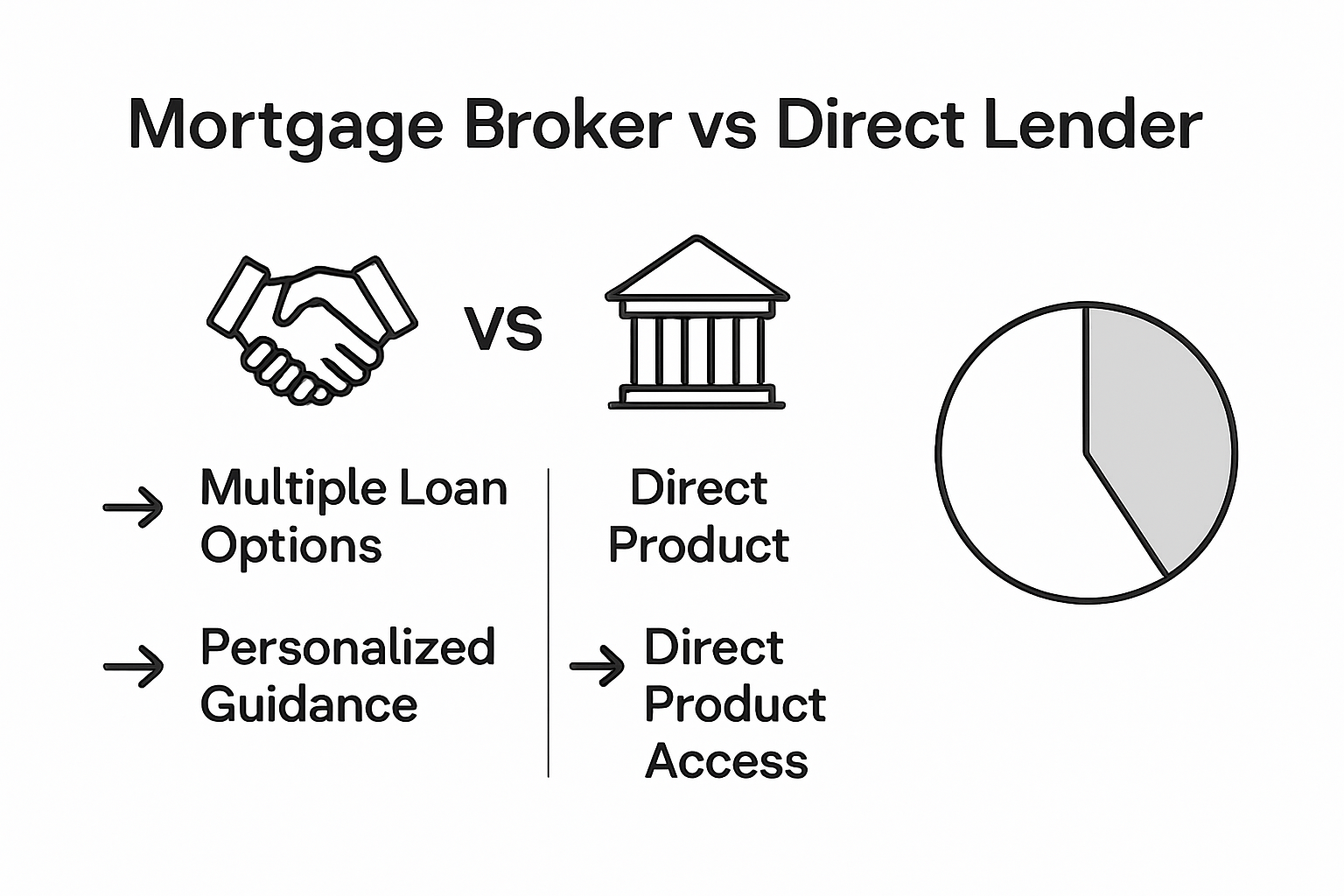
Mortgage brokers act as intermediaries, offering a fundamentally different approach to lending compared to direct lenders. While direct lenders provide loans using their own financial resources, brokers serve as sophisticated navigators in the complex world of home financing, connecting borrowers with multiple potential lending sources.

Key differences emerge in their operational models. Brokers can offer a variety of loan options from different lenders, potentially leading to more flexible and competitive terms. In contrast, direct lenders are constrained by their own product portfolios, which can limit borrower choices. The comparative landscape reveals several critical distinctions:

  • Direct Lenders

    • Offer only their own loan products
    • Typically have more standardized application processes
    • Faster initial loan approvals
    • Limited product flexibility
  • Mortgage Brokers

    • Access multiple lender networks
    • Provide customized loan matching
    • More comprehensive financial advice
    • Broader range of loan products
    • Personalized application support

Ultimately, the choice between a broker and a direct lender depends on individual financial circumstances. Borrowers with straightforward financial profiles might find direct lenders more efficient, while those with complex income structures or unique financing needs will likely benefit from a broker’s extensive network and personalized guidance.

Infographic comparing brokers and direct lenders

Costs, Risks, and Avoidable Mistakes

Mortgage brokers offer significant advantages, but potential borrowers must carefully navigate potential pitfalls. Broker commissions can lead to higher costs for borrowers, creating a complex landscape where financial incentives might not always align perfectly with client interests. Understanding these nuanced dynamics is crucial for making informed financing decisions.

Commission-based compensation can create conflicts of interest, potentially compromising the objectivity of broker recommendations. Smart borrowers should approach these relationships with strategic awareness. Key risks to anticipate include:

  • Potentially higher upfront fees
  • Commissions that might influence loan recommendations
  • Less transparency in loan product selection
  • Potential bias toward lenders offering higher broker compensation
  • Complex fee structures that can be difficult to understand

To mitigate these risks, borrowers should adopt a proactive approach. Request detailed fee breakdowns, ask direct questions about compensation structures, and compare multiple broker recommendations. Always verify the credentials of your mortgage broker, request references, and don’t hesitate to seek a second opinion. The goal is not to avoid brokers entirely, but to work with them strategically and maintain a critical, informed perspective throughout the lending process.

Unlock Smarter Home Financing With Expert Mortgage Brokers

Navigating the complex world of home loans can feel overwhelming, especially when facing unclear fees and competing lender offers. If you have a non-traditional income, credit challenges, or simply want to ensure you get the best possible terms, understanding how mortgage brokers create competition among lenders is key. This article highlights how brokers not only provide access to a wide range of loan options but also negotiate on your behalf to secure lower rates and more flexible terms.

https://craigburn.com

Take control of your home financing journey today with personalized support from Craigburn Capital. Visit Craigburn Capital to discover tailored mortgage solutions, including private lending and options for first-time homebuyers. Don’t miss out on exclusive unadvertised rates available through expert brokers who care about aligning loan options to your unique financial goals. Reach out now and experience the confident guidance that turns complicated mortgages into clear opportunities.

Frequently Asked Questions

What are the primary benefits of working with a mortgage broker?

Mortgage brokers provide access to multiple lenders, helping borrowers secure more competitive loan terms and lower interest rates. They also offer personalized advice, simplify the application process, and can navigate complex financial situations, making them especially helpful for first-time homebuyers and those with non-traditional income.

How do mortgage brokers differ from direct lenders?

Mortgage brokers act as intermediaries who connect borrowers with multiple lenders and loan options, while direct lenders provide loans using their own funds and products. This means brokers can often offer more flexibility and a broader range of choices, while direct lenders may offer quicker approvals but limited options.

Are there any risks associated with using a mortgage broker?

Yes, some potential risks include higher upfront fees and potential conflicts of interest due to commission-based compensation. It’s essential for borrowers to ask for detailed fee breakdowns and understand the broker’s compensation structure to make informed decisions.

How can I ensure I choose a reputable mortgage broker?

To find a reputable mortgage broker, verify their credentials, request references, and read reviews. Additionally, ask about their experience, compensation structure, and approach to finding loan products, ensuring alignment with your financial goals.

Non-Traditional Income Mortgages Explained: Complete Guide

Over one in five American homebuyers now rely on flexible income sources that defy traditional paperwork. This shift reveals how many self-employed professionals, contractors, and entrepreneurs find themselves sidelined by standard mortgage requirements. As modern work changes, understanding non-traditional income mortgages becomes crucial for any American hoping to buy a home without classic pay stubs or predictable W-2s. Explore what sets these options apart and how they open new doors for today’s diverse workforce.

Table of Contents

Key Takeaways

Point Details
Non-Traditional Income Mortgages Defined These loans cater to borrowers with complex income situations, utilizing alternative documentation methods for qualification.
Types of Documentation Borrowers can use bank statements, profit and loss statements, and signed client contracts to validate their income.
Approval Process The qualification criteria focus on credit scores, debt-to-income ratios, and overall financial stability rather than traditional employment verification.
Benefits vs. Drawbacks While they offer greater accessibility and flexibility, non-traditional mortgages may involve higher interest rates and stricter credit requirements.

Defining Non-Traditional Income Mortgages

Non-traditional income mortgages are specialized lending products designed for borrowers whose income streams do not align with conventional verification methods. These unique mortgage options provide financial opportunities for individuals with complex or non-standard income documentation, such as self-employed professionals, independent contractors, and entrepreneurs.

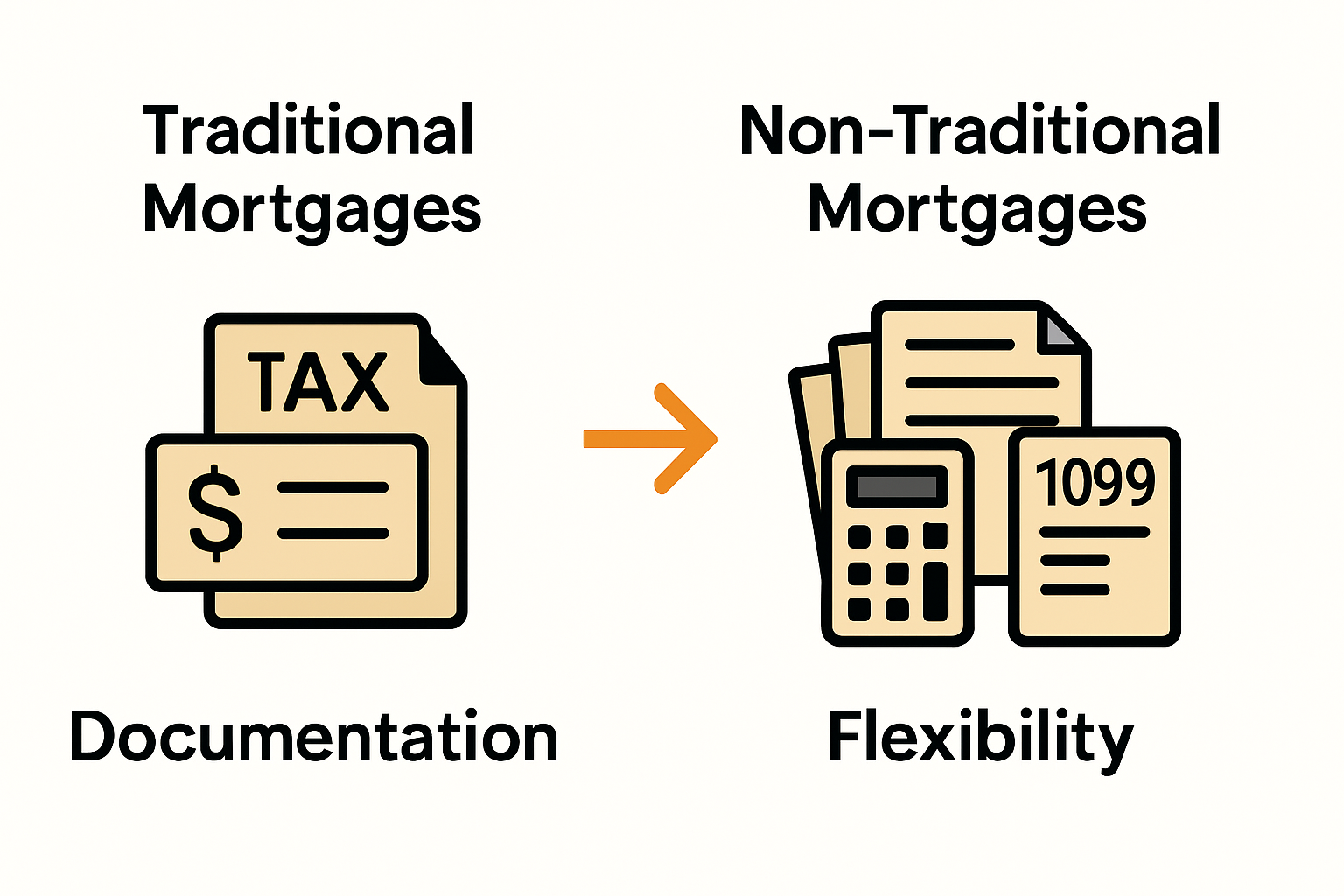
Traditionally, mortgage lenders require extensive proof of income through W-2 forms, tax returns, and consistent pay stubs. However, no documentation loans emerged as a flexible alternative for borrowers who struggle to provide traditional income verification. These loans allow individuals to qualify based on alternative income assessment methods, recognizing that modern workforce dynamics have dramatically expanded beyond traditional employment models.

The core characteristics of non-traditional income mortgages include relaxed documentation requirements and innovative income evaluation approaches. Stated income loans represent a prime example, enabling borrowers to declare their income without extensive third-party verification. These mortgage products typically feature:

  • Higher interest rates to offset potential lending risks
  • More comprehensive credit score evaluations
  • Larger down payment requirements
  • Specialized underwriting processes that consider alternative income proof

While these mortgage options offer increased accessibility, potential borrowers should carefully assess their financial situation and understand the unique terms associated with non-traditional income lending strategies. Working with experienced mortgage professionals can help navigate these specialized financing approaches and identify the most suitable options for individual financial circumstances.

Types of Non-Traditional Income Documentation

Non-traditional income documentation represents a diverse array of financial evidence that enables self-employed professionals, independent contractors, and entrepreneurs to demonstrate their earning potential outside standard employment verification methods. These alternative documentation approaches recognize the complex financial landscapes of modern workers who may not have consistent W-2 forms or traditional pay stubs.

Some primary types of non-traditional income documentation include bank statements, which provide lenders a comprehensive view of cash flow and financial stability. Typically, mortgage providers will request 12 to 24 months of personal and business bank statements to evaluate income consistency and spending patterns. Commercial mortgage specialists often use these statements as a critical assessment tool for determining lending potential.

Additional non-traditional income verification methods encompass:

  • Profit and Loss Statements: Detailed financial documents showcasing business revenue and expenses
  • 1099 Tax Forms: Documentation for independent contractors and freelance workers
  • Asset-Based Income Verification: Evaluating potential income from investment portfolios, rental properties, or other asset streams
  • Signed Client Contracts: Demonstrating future income potential for self-employed professionals
  • Tax Returns: Comprehensive annual income documentation, especially for business owners

Understanding these diverse documentation options empowers borrowers to present a holistic financial profile. While these methods offer flexibility, lenders typically require more rigorous review processes and may impose stricter qualification criteria compared to traditional income verification approaches. Working closely with private lending experts can help borrowers navigate these complex documentation requirements and identify the most suitable verification strategy for their unique financial situation.

Key Qualifications and Approval Processes

Non-QM loans represent a sophisticated approach to mortgage lending that goes beyond traditional qualification standards, offering flexibility for borrowers with unique income profiles. These specialized lending products fundamentally transform how financial institutions evaluate a borrower’s ability to repay a mortgage, focusing on comprehensive financial health rather than rigid employment documentation.

Mortgage specialist meeting with clients

The approval process for non-traditional income mortgages typically involves a multi-dimensional assessment that considers several critical factors. Credit score remains a fundamental component, with most lenders requiring a minimum score between 620 and 700. However, unlike conventional mortgages, these alternative lending paths place greater emphasis on overall financial stability, including asset reserves, cash flow consistency, and alternative income verification methods.

Key qualification criteria for non-traditional income mortgages often include:

  • Minimum credit score requirements: Usually between 620-700
  • Debt-to-income ratio: Typically capped at 43-50%
  • Cash reserves: Demonstrating ability to cover 6-12 months of mortgage payments
  • Down payment: Often ranging from 10-25%, depending on borrower profile
  • Asset documentation: Comprehensive financial statement review

Borrowers should prepare for a more intricate underwriting process that demands meticulous financial documentation. Private lending experts recommend assembling a comprehensive financial portfolio that showcases income stability, asset strength, and overall financial responsibility. This approach helps lenders confidently evaluate non-traditional income streams and assess the borrower’s true lending potential beyond conventional employment verification methods.

Benefits and Drawbacks for Borrowers

Non-traditional mortgages present a nuanced financial solution for borrowers with complex income profiles, offering unprecedented flexibility while simultaneously introducing unique challenges. These specialized lending products fundamentally reimagine mortgage accessibility, creating pathways for individuals traditionally excluded from conventional lending frameworks.

The primary benefits of non-traditional income mortgages include remarkable adaptability for self-employed professionals, independent contractors, and entrepreneurs who struggle with standard income documentation. Flexible qualification criteria allow borrowers to leverage alternative financial evidence, such as bank statements, profit and loss statements, and asset-based income verification, providing opportunities that traditional mortgage products simply cannot accommodate. First-time buyer guidelines become more inclusive through these innovative lending approaches.

Key advantages and potential drawbacks include:

Advantages:

  • Greater accessibility for non-standard income earners
  • Customized lending solutions
  • Faster approval processes
  • Opportunity for borrowers with limited traditional documentation

Drawbacks:

  • Typically higher interest rates
  • More stringent credit score requirements
  • Potentially larger down payment expectations
  • Complex underwriting processes

Borrowers must carefully weigh these mortgage options, understanding that while non-traditional income mortgages offer unprecedented financial flexibility, they simultaneously demand greater financial sophistication and thorough preparation. Consulting with experienced mortgage professionals can help navigate these complex lending landscapes, ensuring borrowers make informed decisions aligned with their unique financial circumstances.

How They Compare to Conventional Mortgages

Non-traditional mortgages fundamentally diverge from conventional lending models, offering a more flexible approach to mortgage financing that challenges traditional underwriting standards. While standard mortgages rely heavily on predictable income documentation and strict credit requirements, these alternative lending products create innovative pathways for borrowers with complex financial profiles.

The primary distinctions emerge in four critical areas of mortgage evaluation. Conventional mortgages typically demand consistent W-2 employment history, stable income streams, and near-perfect credit scores. In contrast, non-traditional mortgages accommodate variable income documentation, accepting bank statements, profit and loss statements, and alternative financial evidence. Credit score guidelines become more nuanced in these specialized lending products, allowing greater flexibility for borrowers with unique financial circumstances.

Infographic comparing conventional and non-traditional mortgages

Key comparison points include:

Conventional Mortgages:

  • Strict income verification requirements
  • Fixed interest rates
  • Standardized underwriting processes
  • Rigid credit score expectations
  • Limited flexibility for self-employed borrowers

Non-Traditional Mortgages:

  • Flexible income documentation
  • Potential adjustable rate structures
  • Customized underwriting approaches
  • More inclusive credit score considerations
  • Tailored solutions for entrepreneurs and independent professionals

Ultimately, non-traditional mortgages represent a sophisticated evolution in lending, recognizing that modern workforce dynamics demand more adaptive financial products. Borrowers must carefully evaluate their unique financial situation, understanding that while these mortgages offer unprecedented flexibility, they simultaneously require a more proactive and strategic approach to financial planning.

Unlock Mortgage Solutions for Non-Traditional Income Earners

Navigating the complex world of non-traditional income mortgages can feel overwhelming when traditional lenders require strict income verification. If you are self-employed, an entrepreneur, or have income documented through bank statements or profit and loss reports, finding a mortgage that fits your unique financial profile is challenging. You need a lending partner who understands alternative income streams and can offer tailored mortgage solutions that recognize your true earning potential.

https://craigburn.com

At Craigburn Capital, we specialize in helping clients like you secure financing despite complex income histories. Our expertise in private lending and flexible underwriting approaches empower you to overcome the common barriers faced with non-traditional income mortgages. Don’t wait for traditional lenders to say no. Visit Craigburn Capital now to explore mortgage options designed specifically for your financial circumstances. Take the first step toward homeownership with confidence and expert guidance tailored to your unique income verification needs.

Frequently Asked Questions

What are non-traditional income mortgages?

Non-traditional income mortgages are specialized loans designed for borrowers whose income does not fit conventional verification methods, such as self-employed individuals or independent contractors.

What types of documentation are accepted for non-traditional income mortgages?

Eligible documentation includes bank statements, profit and loss statements, 1099 tax forms, signed client contracts, and tax returns, which allow borrowers to demonstrate their income without traditional pay stubs or W-2 forms.

What are the key qualifications for obtaining a non-traditional income mortgage?

Key qualifications typically include a minimum credit score of 620-700, a debt-to-income ratio between 43-50%, sufficient cash reserves to cover 6-12 months of payments, and larger down payment requirements ranging from 10-25%.

How do non-traditional income mortgages compare to conventional mortgages?

Non-traditional income mortgages offer more flexible income documentation, customizable underwriting processes, and tailored solutions for borrowers with complex financial profiles, contrasting with the strict, standardized requirements of conventional mortgages.

7 Essential First-Time Homebuyer Tips for Smart Financing

Over 40 percent of american homebuyers report feeling confused by the mortgage process. Sorting through rates, credit scores, and up front costs can turn the dream of homeownership into a stressful hurdle. Knowing what lenders look for and how your financial choices stack up gives you real power in the market. A few smart decisions early on can shape your buying power, save you money, and help you approach each step of the process with confidence.

Table of Contents

Quick Summary

Key Insight Explanation
1. Understand Your Credit Score Your credit score determines mortgage eligibility and interest rates, affecting overall borrowing costs.
2. Calculate Your Budget Rigorously Use the 28/36 rule to ensure housing costs are manageable within your income and expenses.
3. Get Pre-Approved for a Mortgage Early Pre-approval showcases your commitment and clarifies budget constraints, making you a strong buyer.
4. Explore Down Payment Options Down payment strategies can greatly impact mortgage terms; investigate available assistance programs.
5. Plan for Closing Costs and Maintenance Anticipate 2%-5% of the purchase price for closing costs and maintain a home repair fund to cover future expenses.

1. Understand Your Credit Score and Its Impact

Your credit score is the financial fingerprint that lenders use to evaluate your borrowing reliability. This three digit number can make or break your home financing journey, determining not just whether you qualify for a mortgage, but also the interest rates and terms you’ll receive.

A credit score is more than just a number. It represents a comprehensive snapshot of your financial history, synthesizing multiple aspects of your credit behavior. The credit score role in mortgages fundamentally impacts your home buying potential.

Key Components Influencing Your Credit Score:

  • Payment History: Demonstrates your track record of making timely payments
  • Credit Utilization: Shows how much of your available credit you are currently using
  • Credit History Length: Reflects your experience managing credit accounts
  • Credit Mix: Indicates the diversity of your credit accounts (credit cards, loans)
  • Recent Credit Inquiries: Tracks how often you’ve applied for new credit

Mortgage lenders typically view credit scores on a sliding scale. Scores above 740 unlock the most competitive interest rates, while scores below 620 can significantly limit your financing options. A strong credit score can translate into thousands of dollars saved over your mortgage term through lower interest rates.

To optimize your credit score, focus on consistent bill payments, maintaining low credit card balances, and avoiding unnecessary credit applications. Think of your credit score as a financial reputation that takes time to build but can be quickly damaged by careless financial decisions.

2. Calculate Your Budget and Buying Power

Understanding your home buying budget is more than just knowing how much a bank might lend you. It is about creating a realistic financial roadmap that ensures your home purchase supports your overall financial health and future goals.

Budget calculation requires a comprehensive look at your entire financial landscape. The mortgage preparation resources can help you navigate this critical step.

Core Budget Calculation Components:

  • Monthly Income: Total take home pay from all sources
  • Existing Debt Obligations: Student loans, car payments, credit card minimums
  • Living Expenses: Rent, utilities, food, transportation, insurance
  • Savings Goals: Emergency fund, retirement contributions
  • Potential Mortgage Expenses: Principal, interest, property taxes, homeowners insurance

Financial experts recommend the 28/36 rule as a fundamental budgeting guideline. This means your total housing expenses should not exceed 28% of your gross monthly income, while your total debt payments should stay under 36%. For example, if you earn $6000 monthly, your maximum housing budget would be around $1680, with total debt payments capped at $2160.

Practical budget calculation involves being brutally honest about your spending patterns. Track every expense for three months, categorize your spending, and identify areas where you can reduce costs to increase your home buying potential. Remember that a mortgage is not just a monthly payment but a long term financial commitment that impacts your entire financial ecosystem.

3. Get Pre-Approved for a Mortgage Early

Mortgage pre-approval is your golden ticket in the competitive real estate market. This critical step transforms you from a casual homebuyer into a serious contender with genuine purchasing power.

Getting pre-approved early signals to sellers that you are a committed buyer with verified financial credibility. The guidelines for first time buyers provide essential context for navigating this process effectively.

What Pre-Approval Really Means:

  • Financial Verification: Lenders thoroughly examine your income, credit history, and debt
  • Borrowing Capacity: Determines exact mortgage amount you qualify for
  • Interest Rate Insight: Provides current rate estimates based on your financial profile
  • Negotiation Strength: Shows sellers you are a genuine buyer ready to close
  • Budget Clarity: Helps you understand precise home purchasing boundaries

The pre-approval process typically involves submitting comprehensive financial documentation including tax returns, pay stubs, bank statements, and employment verification. Lenders will perform a hard credit inquiry and provide a conditional commitment letter specifying the maximum loan amount they are willing to offer.

To maximize your pre-approval potential, ensure your financial documents are organized, minimize new credit applications, and maintain stable employment. Most pre-approval letters are valid for 60 to 90 days, giving you a strategic window to find and secure your ideal home.

4. Explore Down Payment Options and Assistance

Your down payment is more than just an upfront cost. It is a strategic financial decision that impacts your entire mortgage structure, interest rates, and long term financial flexibility. Understanding the nuanced landscape of down payment strategies can save you thousands of dollars.

Different loan programs offer varying down payment requirements, from traditional approaches to innovative zero down mortgage opportunities. Most first time homebuyers believe they need a standard 20% down payment, but multiple pathways exist to homeownership.

Down Payment Strategy Options:

  • Conventional Loans: Typically require 5% to 20% down payment
  • FHA Loans: Allow down payments as low as 3.5%
  • VA Loans: Available with zero down payment for qualifying veterans
  • USDA Rural Development Loans: Offer zero down payment in designated areas
  • First Time Homebuyer Programs: Provide grants and low down payment assistance

The size of your down payment directly influences your monthly mortgage payments, interest rates, and potential private mortgage insurance requirements. A larger down payment typically means lower monthly expenses, reduced interest costs, and increased equity from the start.

Consider exploring local and state first time homebuyer assistance programs. Many regions offer grants, low interest loans, and down payment support specifically designed to help new buyers enter the housing market with minimal financial strain.

5. Compare Different Mortgage Rates and Terms

The mortgage landscape offers multiple financing pathways, each with unique advantages and potential risks. Understanding the nuanced differences between mortgage types can save you significant money over your loan’s lifetime.

Savvy homebuyers recognize that mortgage selection goes beyond simple interest rates. 5 year fixed mortgage rates represent just one dimension of a complex financial decision that requires comprehensive analysis.

Mortgage Rate and Term Comparison Categories:

  • Fixed Rate Mortgages: Consistent interest rate throughout loan term
  • Adjustable Rate Mortgages (ARMs): Interest rates that fluctuate periodically
  • Conventional Loans: Standard mortgage products with varied term lengths
  • Government Backed Loans: FHA, VA, and USDA loans with specialized terms
  • Jumbo Loans: High value mortgages exceeding standard conforming limits

Interest rates directly impact your monthly payments and total loan cost. A 0.5% difference in rates can translate to tens of thousands of dollars over a 30 year mortgage. Short term ARMs often provide lower initial rates, while fixed rate mortgages offer predictable payments and long term stability.

Consider your personal financial goals, expected income trajectory, and risk tolerance when comparing mortgage options. Some borrowers prefer the security of fixed rates, while others might benefit from the initial savings of adjustable rate products.

6. Work with a Qualified Mortgage Broker

A mortgage broker serves as your financial navigator through the complex landscape of home financing, offering expertise that can save you thousands of dollars and countless hours of frustration. Think of them as your personal financial translator who understands the intricate language of lending.

The role of mortgage broker extends far beyond simply connecting you with a loan. They provide strategic guidance, access to multiple lending networks, and personalized financial insights tailored to your unique situation.

Key Advantages of Professional Mortgage Broker Support:

  • Market Expertise: Deep understanding of current lending trends
  • Loan Comparison: Access to multiple lending products and rates
  • Negotiation Skills: Potential for better terms and interest rates
  • Complex Application Navigation: Guidance through intricate paperwork
  • Credit Profile Optimization: Strategic advice for improving loan eligibility

Qualified mortgage brokers work on your behalf, analyzing your financial profile and matching you with lenders most likely to approve your application. They can often secure rates and terms unavailable to individual borrowers, potentially saving you significant money over your loan’s lifetime.

When selecting a mortgage broker, prioritize professionals with proven track records, transparent fee structures, and comprehensive understanding of diverse lending programs. Look for credentials, client testimonials, and a demonstrated history of successful home financing solutions.

7. Plan for Closing Costs and Future Expenses

Homeownership involves far more financial preparation than simply securing a mortgage. The true cost of buying a home extends well beyond your monthly payment, encompassing a range of upfront and ongoing expenses that can catch unprepared buyers off guard.

Understanding the comprehensive guidelines for first time buyers reveals the importance of strategic financial planning. Closing costs and future home maintenance represent critical considerations in your long term financial strategy.

Comprehensive Expense Categories to Budget:

  • Closing Costs: Attorney fees, title insurance, appraisal expenses
  • Initial Home Setup: Moving costs, immediate repairs, appliance purchases
  • Ongoing Maintenance: Annual repairs, seasonal upkeep, unexpected damages
  • Property Related Expenses: Taxes, homeowners insurance, potential HOA fees
  • Utility and Infrastructure: Potential upgrades, energy efficiency improvements

Most first time homebuyers should anticipate closing costs ranging from 2% to 5% of the home’s purchase price. For a $300000 home, this translates to $6000 to $15000 in upfront expenses beyond your down payment. Financial experts recommend maintaining a dedicated home maintenance fund equivalent to 1% to 3% of your home’s value annually.

Strategic planning involves creating a comprehensive financial buffer. Build an emergency fund specifically for home related expenses, allowing you to address unexpected repairs or maintenance without disrupting your broader financial goals.

Below is a comprehensive table summarizing the key points and strategies for home financing preparation discussed throughout the article.

Topic Description Key Considerations
Credit Score Three-digit number reflecting financial history; affects mortgage qualification and rates. Maintain good payment habits, low credit utilization; scores above 740 are optimal.
Budget Calculation Comprehensive view of finances to ensure sustainable home purchase. Follow the 28/36 rule; track expenses for realistic budgeting.
Mortgage Pre-Approval Verifies financial credibility, turning buyer into a serious contender. Organize documents; valid for 60-90 days; enhances negotiation power.
Down Payment Options Impacts mortgage structure and financial flexibility. Explore various loan programs like FHA, VA, USDA for lower down payment requirements.
Mortgage Rates and Terms Different pathways with unique risks and benefits to examine. Consider fixed vs. adjustable rates; personal financial goals and risk tolerance.
Role of a Mortgage Broker Provides strategic guidance and access to multiple lending networks. Look for proven track records, transparent fees, and diverse program knowledge.
Closing Costs and Future Expenses Encompasses upfront and ongoing financial responsibilities. Plan for 2%-5% of purchase price in closing costs; maintain a maintenance fund."}

Empower Your First Home Purchase with Expert Mortgage Guidance

Buying your first home is full of challenges from understanding your credit score impact to navigating down payment strategies and comparing mortgage rates. Many first-time buyers feel overwhelmed by complex financing terms and the fear of unexpected costs. You want clear, personalized solutions that save you money and reduce stress throughout the entire process.

At Craigburn Capital, we specialize in turning these challenges into opportunities. Whether you need help with credit score improvement, exploring zero down mortgage options, or securing the best 5 year fixed mortgage rates, our experienced team is ready to guide you with tailored solutions designed for your unique financial situation. Avoid costly mistakes by leveraging our expertise and exclusive lending networks.

Take the next step now to transform your home buying journey into a confident, successful experience.

Start by exploring expert tips on credit score role in mortgages and learn how early mortgage preparation resources can boost your readiness.

https://craigburn.com

Don’t wait for uncertainty to slow you down. Visit Craigburn Capital today to discover how personalized mortgage solutions and exclusive rates can empower your smart financing decisions. Contact us now for expert advice and take control of your home buying future!

Frequently Asked Questions

What is a credit score and why is it important for first-time homebuyers?

Your credit score is a three-digit number that reflects your creditworthiness to lenders. A higher credit score can lead to better mortgage rates and terms. To improve your score, focus on consistent bill payments and maintaining low credit card balances.

How much should I budget for closing costs when buying my first home?

Closing costs typically range from 2% to 5% of the home’s purchase price. For example, on a $300,000 home, you should expect closing costs between $6,000 and $15,000. Include these costs in your overall budget to avoid surprises at closing.

What are the advantages of getting pre-approved for a mortgage?

Getting pre-approved shows sellers you are a serious buyer and helps you understand how much you can borrow. It can strengthen your negotiating position, so gather your financial documents and apply for pre-approval as early as possible.

What down payment options are available for first-time homebuyers?

First-time homebuyers have various down payment options, including conventional loans requiring 5% to 20% down, and FHA loans that allow as little as 3.5%. Research different loan programs to find one that fits your financial situation and minimize your initial costs.

How do I compare different mortgage rates and terms effectively?

To compare mortgage rates and terms, look at the interest rates, loan types, and repayment periods. Create a side-by-side comparison chart of options to identify which mortgage fits your financial goals, paying special attention to the monthly payments and total loan costs.

Why should I work with a qualified mortgage broker?

A qualified mortgage broker can help you navigate the complex mortgage landscape, offering access to various lenders and negotiating better terms. Choose a broker with a strong track record to ensure you receive tailored advice and potentially save money on your mortgage.

Commercial Mortgage Application Guide: Secure Approval Fast

Finding the right american commercial mortgage is a huge step for any business, and getting it wrong can cost much more than you expect. Nearly 40 percent of small businesses are denied financing each year, often due to overlooked eligibility or missing documents. Understanding how lenders view your financials and knowing how to prepare can make all the difference. This guide breaks down each step so you can approach the process with confidence and clarity.

Table of Contents

Quick Summary

Main Insight Explanation
1. Assess Financial Health Before Applying Evaluate your business’s creditworthiness and financial stability by reviewing key documents like financial statements and credit reports.
2. Gather Necessary Documentation Carefully Compile essential documents such as tax returns, balance sheets, and personal credit reports in an organized manner for lender scrutiny.
3. Choose the Right Lender Select a lender who specializes in your property type, offers flexibility, and understands your unique business needs.
4. Review the Application Thoroughly Ensure all sections of your mortgage application are accurately completed and all supporting documents are included before submission.
5. Verify Loan Terms Carefully Examine the loan commitment letter in detail, seeking advice if needed to understand all conditions before finalizing your mortgage.

Step 1: Assess Eligibility and Financing Needs

Assessing your commercial mortgage eligibility is like mapping out a financial roadmap before a major journey. In this critical first step, you’ll evaluate your business’s financial health, creditworthiness, and specific lending requirements to determine your mortgage potential.

Start by gathering comprehensive financial documentation that demonstrates your business’s stability and growth potential. This means collecting three to five years of detailed financial statements, tax returns, profit and loss reports, and a current balance sheet. Lenders want to see consistent business operational history that proves your enterprise can sustain mortgage payments. Pay special attention to your business’s cash flow patterns, which will significantly influence a lender’s perception of your risk profile.

Your personal and business credit scores play a pivotal role in this assessment. Most commercial mortgage providers will scrutinize both your personal credit history and your business’s credit rating. Aim for a personal credit score above 680 and a business credit score that shows consistent, responsible financial management. If your scores aren’t stellar, consider working with a mortgage broker who specializes in helping businesses with complex credit profiles. They can help you understand potential financing options and strategies for improving your lending attractiveness.

Pro Tip: Before applying, request and review your credit reports from major credit bureaus to identify and address any potential issues that might impact your mortgage application.

The next step in your commercial mortgage journey involves determining your precise financing needs. Calculate exactly how much capital you require, considering not just the property purchase price but also potential renovation costs, closing expenses, and a financial buffer for unexpected challenges. By presenting a clear, well-researched financing request, you demonstrate professionalism and increase your chances of mortgage approval.

Step 2: Gather Required Documentation and Credit Reports

Now that you understand your eligibility, it’s time to compile the critical financial documentation that will make or break your commercial mortgage application. Think of this step as building a comprehensive financial portfolio that tells your business’s complete story to potential lenders.

Organized financial documents and reports on desk

Start by collecting essential business documentation that provides a holistic view of your financial health. This comprehensive package typically includes your business’s tax returns for the past three to five years, detailed profit and loss statements, current balance sheets, and bank statements. Lenders will scrutinize these documents to assess your business’s revenue stability, cash flow patterns, and overall financial performance. Pro tip: Organize these documents chronologically and ensure they are clear, legible, and professionally presented.

Parallel to your business documents, you’ll need to gather personal financial records. Request comprehensive credit reports from major credit bureaus like Transunion, reviewing them meticulously for any potential errors or areas that might raise red flags with lenders. Your personal credit score plays a significant role in determining your mortgage terms, so consider working with a financial advisor to address any credit issues before submission. Pay special attention to your debt-to-income ratio, outstanding loans, and payment history.

Pro Tip: Request credit reports at least 90 days before your mortgage application to allow time for potential corrections or improvements.

Compile these documents into a well-organized portfolio that demonstrates your business’s financial reliability and your personal financial responsibility. The more transparent and comprehensive your documentation, the more confidence you’ll inspire in potential lenders.

Step 3: Select the Right Commercial Lender

Choosing the right commercial lender is like finding a strategic financial partner who understands your business’s unique growth trajectory. This critical step goes beyond simply comparing interest rates and involves evaluating potential lending partners who can truly support your commercial real estate objectives.

Start by researching lenders who specialize in your specific commercial property type. Different financial institutions have varying appetites for risk and expertise in sectors like retail, industrial, multifamily, or office spaces. Alternative commercial financing options can provide more flexible solutions if traditional bank lending proves challenging. Look for lenders who demonstrate a nuanced understanding of your industry and show willingness to customize loan terms to match your business model.

Evaluate potential lenders across multiple dimensions beyond just interest rates. Consider their loan term flexibility, prepayment penalty structures, documentation requirements, and overall responsiveness. A lender who offers comprehensive mortgage guidance can be an invaluable resource throughout your financing journey. Request detailed loan proposals from at least three to five different lenders to create a comprehensive comparison. Pay close attention to their experience with businesses similar to yours and their track record of supporting companies in your specific market segment.

Pro Tip: Don’t just focus on the lowest rate. A slightly higher interest rate with more flexible terms can provide significantly more long term financial advantages.

The lender you choose will be more than a funding source they will be a potential long term financial partner. Take your time. Ask probing questions. Trust your instincts about their communication style and commitment to understanding your unique business needs.

Step 4: Complete and Submit the Mortgage Application

Submitting your commercial mortgage application is the critical moment where preparation meets opportunity. This step transforms all your carefully gathered documentation and strategic research into a compelling financial narrative that can unlock your business’s real estate potential.

Infographic of commercial mortgage application steps

Begin by meticulously reviewing the application package, ensuring every section is completed with precision and consistency. Mortgage qualification guidelines emphasize the importance of accuracy in every detail. Double check that all financial statements match your previously submitted documents, personal information is current, and business details are comprehensive. Pay special attention to sections requesting business projections, property details, and your intended use of the commercial space. Include supplementary documentation that strengthens your application such as detailed business plans, property appraisal reports, and comprehensive cash flow projections.

During the submission process, maintain open communication channels with your selected lender. Some applications require additional clarification or supplemental documentation. Be prepared to quickly respond to any requests and maintain a professional demeanor throughout the process. Your responsiveness and preparedness can significantly influence the underwriter’s perception of your business’s reliability. Consider scheduling a brief follow up conversation with your loan officer to walk through the application and address any potential questions proactively.

Pro Tip: Create digital and physical copies of your entire application package before submission. This provides a backup and allows you to reference the exact information you presented.

Remember that your application is more than just paperwork it is a comprehensive representation of your business’s financial health and growth potential. Approach the submission with confidence, knowing you have thoroughly prepared each aspect of your commercial mortgage application.

Step 5: Verify Terms and Finalize Your Funding

Reaching the final stages of your commercial mortgage application is an exciting milestone that demands careful attention and strategic review. This critical phase transforms your financial aspirations into a concrete funding arrangement with potentially transformative implications for your business.

Carefully review every element of the loan commitment letter, paying meticulous attention to interest rates, loan duration, prepayment conditions, and any additional fees or clauses. The role of mortgage brokers becomes particularly valuable during this complex verification process, offering expertise in interpreting intricate financial terms. Scrutinize the fine print for any potential restrictions on property use, mandatory insurance requirements, or financial covenants that might impact your business operations. Compare the final terms against the initial proposals you received to ensure complete alignment with your original expectations and financial strategy.

Consult with a financial advisor or legal professional to perform a comprehensive review of the loan documents. They can help identify potential risks or negotiate more favorable terms that you might have overlooked. Some lenders include complex language around loan disbursement, reporting requirements, or financial performance metrics that could significantly influence your future financial flexibility. Understand precisely how and when funding will be released, and confirm all documentation requirements for final loan approval.

Pro Tip: Create a detailed checklist of all loan terms and conditions before signing, ensuring you have a clear understanding of every financial commitment.

The funding verification process is your final opportunity to align the mortgage terms with your business growth strategy. Approach this step with patience, thoroughness, and a commitment to protecting your financial interests.

Take Control of Your Commercial Mortgage Journey Today

Navigating the complex steps of commercial mortgage approval requires clear financial evidence, a deep understanding of lending options, and a trusted partner by your side. If you are struggling with gathering the right documentation, selecting the best lender, or finalizing your financing terms, you are not alone. The stakes are high when committing to commercial real estate financing, and Craigburn Capital specializes in turning these challenges into tailored solutions that fit your unique business needs. From improving your credit standing to accessing exclusive competitive rates, Craigburn Capital offers expert guidance where it counts.

https://craigburn.com

Empower your business with personalized commercial financing assistance from a brokerage that knows the market and your goals. Visit Craigburn Capital now to explore specialized services including private lending, flexible commercial loans, and expert mortgage advice. Don’t wait for uncertainty to hold your business back. Take the next step toward securing fast approval and favorable mortgage terms today by contacting our team of experts who are ready to help you succeed.

Frequently Asked Questions

What documents do I need for a commercial mortgage application?

To complete a commercial mortgage application, you need several key documents including three to five years of financial statements, tax returns, profit and loss reports, and a current balance sheet. Gather these documents to demonstrate your business’s financial stability and readiness to lenders.

How can I improve my chances of getting approved for a commercial mortgage?

To enhance your approval chances, ensure your personal credit score is above 680 and your business credit score reflects responsible financial management. Consider working with a mortgage broker specialized in commercial loans to identify options that suit your financial profile.

What should I look for when choosing a commercial lender?

When selecting a commercial lender, focus on their experience with your specific property type, interest rates, and loan term flexibility. Evaluate their responsiveness and willingness to customize loan terms to match your business needs for a more beneficial partnership.

How can I accurately assess my financing needs for a commercial mortgage?

To accurately assess your financing needs, calculate the total capital required by accounting for the property purchase price, renovation costs, closing expenses, and a buffer for unexpected costs. Define these elements clearly to present a solid request to lenders.

What are the steps to take after submitting my commercial mortgage application?

After submitting your application, maintain open communication with your lender to address any additional requests or questions. Prepare for potential follow-ups and ensure you have documentation ready for review to showcase your responsiveness and commitment.

What should I verify before finalizing my mortgage terms?

Before finalizing your mortgage terms, review the loan commitment letter carefully, focusing on interest rates, loan duration, and any additional fees. Create a checklist to compare the final terms against initial proposals to ensure they align with your financial strategy.

Private Lending Explained: Benefits, Types, and Risks

Private lending has surged to nearly $2 trillion worldwide, providing american businesses and individuals with real alternatives to traditional bank loans. As more people seek flexible and fast ways to secure capital, understanding private lending becomes essential for making smart financing choices. This guide breaks down the main types, key concepts, and critical factors that set private lending apart, helping you grasp the important advantages and risks involved.

Table of Contents

Key Takeaways

Point Details
Growth of Private Lending Private lending has rapidly increased, reaching nearly $2 trillion globally by the end of 2023, indicating a significant shift in capital access for businesses.
Flexible Financing Solutions Private lenders offer customized terms and faster funding processes, catering to the unique financial needs of borrowers compared to traditional banks.
Diverse Lending Options Private lending encompasses various arrangements, such as direct lending, mezzanine financing, and real estate loans, providing multiple strategies for different sectors.
Regulatory Considerations The expansion of private credit prompts regulatory scrutiny to ensure financial stability and adequate protection for both investors and borrowers in the lending market.

Defining Private Lending and Core Concepts

Private lending represents a dynamic alternative financing method where non-bank entities provide direct loans to businesses and individuals outside traditional banking systems. Private credit has expanded rapidly, reaching nearly $2 trillion globally by the end of 2023, reflecting a significant shift in how businesses and entrepreneurs access capital.

Private lending fundamentally involves private investors or investment groups extending loans directly to borrowers, bypassing conventional financial institutions. These lenders can include wealthy individuals, private investment funds, hedge funds, and specialized lending platforms. Unlike traditional bank loans, private lending offers more flexible terms, faster approval processes, and customized financing solutions tailored to specific borrower needs.

The landscape of private lending encompasses several core types of financial arrangements. Non-bank lending entities provide financing through various channels:

  • Direct Lending: Loans made directly to mid-market businesses without intermediary banks
  • Mezzanine Financing: Hybrid debt and equity investments often used in business expansions
  • Bridge Loans: Short-term financing used to cover immediate capital needs
  • Real Estate Private Lending: Specialized loans for property investments and development projects

Understanding these nuanced lending approaches helps borrowers recognize the potential advantages and strategic opportunities private lending presents beyond conventional banking frameworks.

Types of Private Lending Arrangements

Private lending offers diverse financing strategies designed to meet unique borrower requirements across different economic sectors. Private credit encompasses multiple sophisticated investment approaches, ranging from specialized financing solutions to targeted investment models that address specific market needs.

Hands exchanging pen over agreement documents

Direct Lending represents the most prominent private credit strategy, where non-bank financial institutions provide loans directly to businesses without traditional banking intermediaries. This segment has experienced substantial growth, with market projections indicating the private credit market could reach $2.8 trillion by 2028. These loans typically target mid-market companies seeking flexible, customized financing solutions.

The primary types of private lending arrangements include:

  • Asset-Based Lending: Loans secured by specific company assets such as inventory, equipment, or accounts receivable
  • Mezzanine Financing: Hybrid debt instruments combining elements of debt and equity financing
  • Specialized Industry Lending: Targeted financing for specific sectors like real estate, technology, or healthcare
  • Distressed Debt Financing: Investments in underperforming or troubled company debt with potential turnaround opportunities

Commercial lending strategies continue to evolve, with private lenders offering increasingly sophisticated and adaptable financial products that address complex market demands. These alternative financing methods provide critical capital access for businesses unable to secure traditional bank loans, filling an essential gap in the financial ecosystem.

How Private Lending Works for Borrowers

Private credit offers a transformative approach to financing that empowers borrowers with more flexible and customized funding solutions. Unlike traditional banking models, private lending provides businesses and individuals with alternative pathways to secure capital that align more closely with their specific financial needs and strategic objectives.

Borrower Qualification in private lending differs significantly from conventional bank requirements. Non-bank entities evaluate lending opportunities through more nuanced criteria, focusing on the borrower’s overall financial potential rather than strictly adhering to rigid credit score thresholds. This approach enables mid-market businesses and entrepreneurs with unique financial profiles to access critical funding that might be unavailable through traditional banking channels.

The private lending process typically involves several key steps:

  • Initial Assessment: Comprehensive review of borrower’s financial health and project viability
  • Customized Proposal: Tailored financing structure matching specific borrower requirements
  • Negotiation: Flexible terms including interest rates, repayment schedules, and collateral options
  • Funding: Direct capital deployment with potentially faster execution compared to traditional loans

Real estate development financing exemplifies how private lending can provide targeted solutions, offering investors and developers specialized funding mechanisms that traditional banks often cannot match. These alternative lending models create opportunities for borrowers by bridging critical financial gaps and supporting innovative business strategies.

The rapid expansion of private credit has prompted increased regulatory scrutiny to ensure financial stability and protect both investors and borrowers in this evolving lending landscape. As alternative lending models continue to grow, government regulators are developing sophisticated frameworks to manage potential risks and maintain market integrity.

Regulatory oversight in private lending focuses on several critical dimensions. Financial stability monitoring has become increasingly important as non-bank lending practices expand beyond traditional banking regulations. This requires comprehensive assessment of lending practices, risk management protocols, and transparency requirements to protect all stakeholders in the financial ecosystem.

Key legal protections for private lending include:

  • Disclosure Requirements: Mandatory comprehensive information sharing about loan terms
  • Risk Assessment Protocols: Standardized evaluation methods for lending opportunities
  • Investor Protection Mechanisms: Rules governing fund management and investor rights
  • Compliance Standards: Regulatory frameworks ensuring ethical lending practices

Securitizing financial instruments plays a crucial role in maintaining legal integrity, providing additional layers of protection and standardization for both lenders and borrowers in the private credit market. These mechanisms help create transparent, accountable lending environments that balance innovation with robust financial safeguards.

Common Risks and Costs Involved

Private credit involves complex financial risks that demand careful evaluation and strategic management. Unlike traditional banking models, private lending exposes both borrowers and investors to unique financial challenges that require sophisticated risk mitigation strategies and comprehensive financial planning.

Infographic comparing private lending risks and safeguards

Default Risk represents the most significant potential financial exposure in private lending. Lenders must conduct thorough risk assessments to minimize potential losses, carefully analyzing borrower financial health, project viability, and repayment capabilities. These assessments help determine appropriate interest rates and lending terms that balance potential returns with inherent financial risks.

Key financial risks in private lending include:

  • Default Probability: Potential failure of borrowers to repay loans
  • Liquidity Constraints: Challenges in converting investments back to cash
  • Interest Rate Fluctuations: Market changes affecting loan profitability
  • Collateral Valuation Risks: Potential depreciation of secured assets

Saving interest through strategic financial planning becomes crucial in managing the complex cost structures associated with private lending. Sophisticated borrowers and investors must develop comprehensive approaches to minimize financial exposure and optimize potential returns in this dynamic lending environment.

Private Lending vs. Traditional Financing

Private credit offers a transformative approach to financing that fundamentally challenges traditional banking models. While conventional lending relies on standardized evaluation processes, private lending provides more dynamic and personalized financial solutions that adapt to unique borrower circumstances.

Financing Flexibility represents the most significant differentiator between private and traditional lending approaches. Unlike conventional bank loans, private credit solutions can be precisely tailored to meet specific borrower requirements, offering unprecedented customization in loan size, structure, and repayment terms. Traditional banks typically enforce rigid criteria, whereas private lenders evaluate opportunities through a more holistic and nuanced lens.

Key distinctions between private lending and traditional financing include:

  • Approval Speed: Private lending often provides faster decision-making processes
  • Qualification Criteria: More flexible assessment of borrower potential
  • Loan Customization: Tailored financial solutions beyond standardized products
  • Risk Assessment: Comprehensive evaluation beyond credit score metrics

Support for small business operators demonstrates how alternative lending models can provide critical financial access for entrepreneurs who might struggle with conventional banking requirements. These innovative approaches represent a fundamental shift in how capital is accessed and deployed across various economic sectors.

Unlock the Benefits of Private Lending with Expert Guidance

Navigating the world of private lending can feel overwhelming, especially with so many options like direct lending, mezzanine financing, and asset-based loans. You might be facing challenges such as tight qualification criteria or needing faster approvals with flexible terms that traditional banks struggle to offer. Whether you are a mid-market business owner or a real estate investor, understanding these financing choices and managing risks like default or liquidity constraints is crucial to your success.

At Craigburn Capital, we specialize in personalized mortgage and private lending solutions designed to match your unique financial situation. We offer competitive interest rates and exclusive programs for self-employed individuals or those with less-than-perfect credit – helping you access capital when you need it most. Our team can guide you through customized loan structures, ensuring you avoid costly mistakes while making the most of private credit opportunities.

Discover how we transform the complexities of private lending into clear, actionable steps.

https://craigburn.com

Ready to explore private lending options tailored for your goals? Visit Craigburn Capital now to get expert advice and unlock financing solutions that traditional banks cannot provide. Don’t wait until opportunity slips away. Contact us today and gain confidence in every financial decision.

Learn more about real estate development financing and saving interest with specialized private lending strategies designed for your success.

Frequently Asked Questions

What is private lending?

Private lending is an alternative financing method where non-bank entities provide direct loans to businesses and individuals outside the traditional banking system. It often offers more flexible terms and faster approval processes.

What are the main types of private lending arrangements?

The main types of private lending arrangements include direct lending, mezzanine financing, asset-based lending, specialized industry lending, and distressed debt financing, each catering to different borrower needs.

How does the private lending process work for borrowers?

The private lending process involves an initial assessment of the borrower’s financial health, a customized financing proposal, negotiation of loan terms, and direct funding. This process is typically quicker than traditional bank loans.

What are the risks associated with private lending?

Key risks in private lending include default risk, liquidity constraints, interest rate fluctuations, and collateral valuation risks. Borrowers and investors must conduct thorough risk assessments to mitigate potential losses.

Complete Guide to Guidelines for First-Time Buyers

Over 40 percent of american first-time buyers mistakenly believe they need a massive down payment before purchasing a home. Myths like this add to the stress of buying a house for the first time, making the process seem almost out of reach. Understanding what really defines a first-time buyer and setting aside these common misconceptions can help you approach homeownership with confidence and clarity right from the start.

Table of Contents

Key Takeaways

Point Details
Understanding First-Time Buyers First-time buyers often lack real estate experience and are more price-sensitive, making them seek comprehensive mortgage guidance.
Mortgage Options Various mortgage types, such as FHA, VA, and conventional loans, provide diverse down payment options, enabling accessibility to homeownership.
Pre-Approval Importance The pre-approval process is essential for assessing purchasing potential and understanding maximum loan amounts and interest rates.
Financial Responsibilities Homeownership entails ongoing costs beyond the mortgage, including taxes, insurance, and maintenance, emphasizing the need for thorough financial planning.

Defining First-Time Buyers And Common Myths

A first-time buyer represents an individual taking their initial step into homeownership, a significant milestone that comes with unique opportunities and challenges. According to Wikipedia, first-time buyers are typically favored in real estate markets across the United States, Canada, and other countries due to their absence of a property chain, which can simplify transaction processes.

Contrary to popular belief, becoming a first-time homebuyer isn’t as intimidating as many assume. Brookfield Residential highlights one prevalent myth: the misconception that a 20% down payment is mandatory. In reality, numerous lenders now offer mortgage options with significantly lower down payment requirements, making homeownership more accessible than ever before.

Key characteristics of first-time buyers often include:

  • Limited prior real estate investment experience
  • Higher likelihood of seeking comprehensive mortgage guidance
  • More price-sensitive compared to experienced property investors
  • Increased interest in starter homes and more affordable property segments

Understanding these nuances can help prospective homebuyers navigate the complex landscape of real estate transactions more confidently. While the journey might seem overwhelming, partnering with experienced mortgage professionals can transform this potentially stressful experience into an exciting adventure toward building personal wealth and securing a permanent residence.

Types Of Mortgages Available Today

Navigating the mortgage landscape can feel complex, but understanding the available mortgage types empowers first-time homebuyers to make informed decisions. Richmond American highlights several accessible mortgage options designed to accommodate diverse financial situations and buyer needs.

The primary mortgage categories include conventional loans, FHA loans, and government-backed mortgage programs. Conventional loans typically require stronger credit profiles, while FHA loans offer more flexible qualification standards. According to Richmond American, FHA loans can be obtained with as little as 3.5% down payment, and VA loans provide zero down payment options for eligible veterans.

Mortgage options for first-time buyers often feature unique advantages:

  • Conventional Loans: Standard mortgages with competitive interest rates
  • FHA Loans: Lower down payment requirements, more lenient credit standards
  • VA Loans: Exclusive to veterans, featuring no down payment
  • USDA Loans: Rural property financing with potential zero down payment
  • First-Time Homebuyer Programs: Special state and federal assistance initiatives

While each mortgage type presents distinct benefits, selecting the right option depends on individual financial circumstances, credit history, and long-term homeownership goals. Consulting with a mortgage professional can help buyers identify the most suitable mortgage strategy tailored to their specific needs.

mortgage loan options Learn more in our guide to mortgage qualification, which provides comprehensive insights into navigating these complex financial decisions.

Eligibility Criteria And Pre-Approval Process

The mortgage pre-approval process represents a critical milestone for first-time homebuyers, serving as a strategic financial assessment that determines purchasing potential. International Journal of Scientific Research and Management highlights that first-time buyers often struggle with understanding the intricate requirements and financial evaluations involved in mortgage eligibility.

To qualify for a mortgage, lenders typically examine several key financial indicators. These include credit score, income stability, debt-to-income ratio, employment history, and available savings. Most lenders prefer a credit score of 620 or higher for conventional loans, though some programs accommodate lower scores with additional requirements. The pre-approval process involves a comprehensive financial background check that helps determine the maximum loan amount and potential interest rates a buyer might qualify for.

Critical eligibility factors for mortgage pre-approval include:

  • Credit Score: Minimum 620 for conventional loans
  • Debt-to-Income Ratio: Typically under 43%
  • Employment Verification: Stable income for past two years
  • Down Payment: Ranging from 3.5% to 20% depending on loan type
  • Asset Documentation: Proof of savings and financial reserves

Preparing for the pre-approval process requires careful financial planning and documentation. Buyers should gather recent pay stubs, tax returns, bank statements, and employment verification letters. Learn more about mortgage qualification strategies in our comprehensive guide, which provides detailed insights into navigating this complex financial journey.

Essential Steps In The Homebuying Journey

The homebuying journey is a complex process that demands strategic planning and careful navigation. BC Television emphasizes the critical importance of understanding each stage of the home purchasing process to make informed decisions and avoid potential pitfalls that can derail first-time buyers.

The journey typically unfolds through several key sequential stages. Initially, buyers must assess their financial readiness, which involves examining credit scores, establishing a realistic budget, and determining affordable price ranges. This preliminary phase includes obtaining mortgage pre-approval, a crucial step that provides a clear understanding of borrowing capacity and signals serious intent to sellers. Following pre-approval, buyers begin the property search, working closely with real estate professionals to identify homes that match their financial parameters and lifestyle requirements.

Critical steps in the homebuying journey include:

  • Financial Assessment: Review credit, establish budget
  • Mortgage Pre-Approval: Determine borrowing capacity
  • Property Search: Identify suitable homes
  • Home Inspection: Evaluate property condition
  • Negotiation: Make competitive offer
  • Closing: Complete legal and financial transactions

Successful home purchasing requires patience, research, and professional guidance.

Explore our first-time homebuyer strategies to understand how to navigate this complex journey with confidence and minimize potential challenges along the way.

Financial Responsibilities And Hidden Costs

Buying a home involves far more financial planning than simply saving for a down payment. Brookfield Residential emphasizes that first-time buyers must understand the comprehensive financial landscape beyond the initial property purchase, including numerous unexpected expenses that can significantly impact long-term affordability.

The true cost of homeownership extends well beyond the mortgage payment, encompassing a range of recurring and potential expenses that first-time buyers must carefully budget for. Ongoing financial responsibilities include property taxes, homeowners insurance, private mortgage insurance, utilities, regular maintenance, and potential renovation costs. These expenses can add thousands of dollars annually to a homeowner’s financial obligations, making it crucial to develop a comprehensive financial strategy that accounts for more than just the monthly mortgage payment.

Infographic comparing down payments, mortgage types, and homeownership costs.

Key financial responsibilities and hidden costs include:

  • Property Taxes: Annual assessments varying by location
  • Homeowners Insurance: Mandatory protection for property
  • Maintenance Costs: Regular upkeep and unexpected repairs
  • Utility Expenses: Electricity, water, gas, internet
  • Private Mortgage Insurance: Required for low down payment loans
  • Homeowners Association Fees: Applicable in certain communities
  • Closing Costs: Initial one-time expenses during purchase

Successful homeownership requires careful financial planning and a realistic understanding of total ownership costs. Learn more about mortgage qualification strategies to help you navigate the complex financial landscape of first-time home buying with confidence and preparedness.

Avoiding Common First-Time Buyer Mistakes

Navigating the homebuying journey requires strategic awareness and proactive planning. Richmond American highlights that first-time buyers frequently underestimate the complexities of property acquisition, often falling into predictable financial traps that can derail their homeownership dreams.

BC Television emphasizes that many first-time buyers make critical strategic missteps during their purchasing process. These mistakes frequently involve skipping crucial steps like comprehensive home inspections, failing to secure mortgage pre-approval, and neglecting to thoroughly explore diverse mortgage options that could potentially offer more favorable financial terms. Understanding and anticipating these potential pitfalls can significantly improve a buyer’s chances of a successful and financially sound home purchase.

Common first-time buyer mistakes to avoid include:

  • Skipping Home Inspections: Overlooking potential property issues
  • Maxing Out Mortgage Qualification: Borrowing beyond comfortable limits
  • Neglecting Credit Preparation: Failing to optimize credit score before application
  • Insufficient Emergency Savings: Not maintaining financial buffer
  • Ignoring Additional Ownership Costs: Underestimating maintenance expenses
  • Rushing the Purchase: Making emotional instead of strategic decisions
  • Avoiding Professional Guidance: Attempting to navigate process independently

Explore strategies to prevent the biggest homebuying mistakes and ensure a smoother, more confident path to homeownership.

Empower Your First-Time Homebuying Journey with Expert Mortgage Solutions

The Complete Guide to Guidelines for First-Time Buyers highlights the challenges of navigating mortgage eligibility, hidden costs, and common pitfalls. Many first-time buyers struggle with understanding credit requirements, choosing the right loan type, and preparing for the pre-approval process. These concerns can make homeownership feel overwhelming and stressful. You deserve a clear path and personalized guidance to transform your homebuying experience into a confident and rewarding milestone.

https://craigburn.com

Discover how Craigburn Capital can help you overcome these obstacles with tailored mortgage solutions designed specifically for first-time buyers. Whether you need assistance with credit preparation, selecting competitive mortgage options, or managing unexpected expenses, our experts provide exclusive rates and support every step of the way. Do not wait until confusion or hidden costs hold you back. Take action today by exploring our first-time homebuyer assistance and detailed mortgage qualification strategies. Make your dream of owning a home a reality now with trusted advice and personalized service from Craigburn Capital.

Frequently Asked Questions

What is considered a first-time buyer?

A first-time buyer is typically someone purchasing a home for the first time, characterized by limited real estate investment experience and a higher need for mortgage guidance.

What types of mortgages are available for first-time buyers?

First-time buyers have access to several mortgage types, including conventional loans, FHA loans, VA loans, USDA loans, and special first-time homebuyer programs, each with unique benefits tailored to different financial situations.

What are the eligibility criteria for mortgage pre-approval?

Eligibility for mortgage pre-approval usually includes a credit score of at least 620, a debt-to-income ratio under 43%, stable employment history, and sufficient savings for a down payment and closing costs.

What common mistakes should first-time buyers avoid?

First-time buyers should avoid skipping home inspections, maxing out their mortgage qualification limits, neglecting credit preparation, underestimating additional ownership costs, and rushing their purchasing decisions.

7 Essential Questions to Ask Mortgage Brokers Before You Apply

Most american homebuyers feel lost sorting through the maze of mortgages and broker promises. With over 80 percent of buyers seeking help to understand their options, the right questions can make all the difference. Knowing what to ask a mortgage broker puts you in control, from discovering hidden loan types to clarifying fees and approval steps. This guide empowers you with focused questions proven to uncover the best fit for your finances.

Table of Contents

Quick Summary

Key Message Explanation
1. Understand loan types available Knowing the different loan categories helps you choose the best mortgage for your financial situation.
2. Prepare for the approval process Gather necessary financial documents in advance to streamline the mortgage loan approval process.
3. Review interest rates and fees Be aware that your total mortgage cost includes more than just the interest rate; understand various fees involved.
4. Analyze the monthly payment breakdown Your monthly payment includes principal, interest, taxes, insurance, and sometimes mortgage insurance; know each component.
5. Clarify prepayment penalties Investigate potential prepayment penalties to avoid unexpected charges if you want to pay off your mortgage early.

1. What Types of Loans Do You Offer and Recommend?

When searching for the right mortgage, understanding the diverse loan landscape is critical to finding your perfect financial fit. Mortgage brokers should be able to clearly articulate the range of loan products they can access, helping you navigate the complex world of home financing.

According to Consumer Financial Protection Bureau, several primary mortgage loan categories exist that can meet different borrower needs:

  • Conventional Loans: Standard mortgages not backed by government agencies, typically requiring stronger credit profiles
  • FHA Loans: Government-backed loans with more flexible credit requirements, ideal for first time homebuyers
  • VA Loans: Specialized loans for military veterans offering competitive terms and often zero down payment
  • USDA Loans: Rural development loans with unique benefits for home purchases in designated agricultural areas

A skilled mortgage broker will evaluate your specific financial situation and recommend loan products that align with your income, credit history, and long term financial goals. Redfin emphasizes that beyond these primary categories, additional specialized options like adjustable rate and jumbo loans can provide tailored solutions for unique borrowing scenarios.

When interviewing potential mortgage brokers, ask direct questions about their loan portfolio. A reputable broker should demonstrate comprehensive knowledge and transparency about available loan types, helping you understand which options best match your financial profile. Your goal is to find a broker who sees beyond commission and genuinely wants to match you with the most advantageous mortgage product possible.

2. How Does the Loan Approval Process Work?

Understanding the mortgage loan approval process helps you prepare and set realistic expectations about your home financing journey. The loan approval process is a systematic evaluation of your financial health and ability to repay the mortgage.

According to Wikipedia, loan officers play a critical role in evaluating and recommending loan applications. Their assessment typically involves several key stages:

  • Initial Application: Gathering personal financial documents and basic information
  • Credit Evaluation: Reviewing credit scores and financial history
  • Income Verification: Analyzing employment records and income stability
  • Debt to Income Assessment: Calculating your ability to manage monthly mortgage payments

Modern loan approval techniques have become increasingly sophisticated. Research from arXiv suggests machine learning techniques are now being applied to improve the accuracy and efficiency of loan approval processes, making the evaluation more precise and data driven.

To navigate this process successfully, be prepared with comprehensive financial documentation. Organize your tax returns, pay stubs, bank statements, and employment verification documents before meeting with your mortgage broker. The more transparent and organized you are, the smoother your loan approval journey will be. Your goal is to demonstrate financial reliability and consistent income that makes you an attractive borrowing candidate.

3. What Interest Rates and Fees Should I Expect?

Understanding the financial landscape of mortgage interest rates and associated fees is crucial for making an informed borrowing decision. Your total mortgage cost extends far beyond the headline interest rate.

According to the Consumer Financial Protection Bureau, interest rates can vary significantly based on loan type and individual financial profile. Different loan categories carry unique fee structures:

  • Conventional Loans: Typically have competitive rates for borrowers with strong credit
  • FHA Loans: Often feature lower down payment requirements but may include mortgage insurance premiums
  • VA Loans: Can offer lower interest rates for military veterans
  • USDA Loans: May provide specialized rates for rural property purchases

Redfin highlights that multiple factors influence your potential interest rate, including credit score, down payment size, and current market conditions. Expect to encounter several standard fees during the mortgage process: origination fees, application charges, appraisal costs, and potential mortgage insurance.

To optimize your mortgage strategy, request a detailed fee breakdown from potential brokers. A transparent mortgage professional will walk you through each potential charge, helping you understand the complete financial picture before committing to a loan. Your goal is to find a balance between competitive interest rates and manageable associated expenses.

4. Can You Explain the Total Monthly Payment Breakdown?

Understanding your mortgage payment involves more than just principal and interest. A comprehensive monthly payment includes multiple financial components that impact your overall housing expenses.

Wikipedia highlights the importance of the Loan Estimate form, which provides borrowers with a detailed breakdown of monthly payments. Typically, your monthly mortgage payment will include:

  • Principal: The actual amount borrowed that reduces your loan balance
  • Interest: The cost of borrowing money, calculated based on your interest rate
  • Property Taxes: Annual local government assessments divided into monthly portions
  • Homeowners Insurance: Protection for your property against potential damages
  • Mortgage Insurance: Required for loans with less than 20% down payment

According to the Consumer Financial Protection Bureau, the composition of these payment components can vary significantly depending on your specific loan type and financial circumstances. A transparent mortgage broker will help you understand exactly how each dollar of your monthly payment is allocated.

To effectively manage your mortgage, ask your broker to provide a detailed monthly payment projection. This proactive approach will help you budget accurately and avoid unexpected financial surprises. Remember, knowing the full breakdown empowers you to make informed decisions about your home financing strategy.

5. Are There Penalties for Early Repayment or Extra Payments?

Before celebrating your financial strategy of paying down your mortgage faster, you need to understand potential prepayment penalties. Not all mortgages are created equal when it comes to early or additional payments.

Consumer Financial Protection Bureau recommends carefully investigating prepayment terms before finalizing your mortgage. Prepayment penalties can manifest in several ways:

  • Full Prepayment Penalties: Charges for paying entire loan balance before scheduled term
  • Partial Prepayment Penalties: Fees for making substantial extra payments beyond annual limits
  • Sliding Scale Penalties: Decreasing penalty amounts over initial loan years
  • No Penalty Clauses: Some modern mortgages allow unlimited additional payments

Redfin emphasizes that mortgage terms vary widely, making it critical to request explicit details about prepayment conditions. Your mortgage broker should provide a clear explanation of any potential fees associated with accelerated payments.

To protect your financial interests, ask your broker to outline exact prepayment conditions in writing. Understanding these terms upfront can save you thousands and help you design a more strategic approach to mortgage repayment. Your goal is to find a mortgage that offers flexibility without unexpected financial penalties.

6. Which Documents Will I Need to Provide?

Preparing for a mortgage application requires gathering a comprehensive set of financial documentation. Your ability to provide clear, organized paperwork can significantly streamline the loan approval process.

Wikipedia highlights that loan officers require extensive personal and financial information to assess your borrowing eligibility. You should be prepared to compile the following critical documents:

  • Proof of Income: Recent pay stubs, W2 forms, tax returns for past two years
  • Employment Verification: Current employer contact information, job stability documentation
  • Financial Statements: Bank statements, investment account records, asset documentation
  • Credit History: Credit report authorization, explanation of any past credit challenges
  • Personal Identification: Government issued photo ID, social security documentation

Research from arXiv emphasizes that comprehensive applicant data plays a crucial role in loan prediction and approval. Self employed individuals will need additional documentation, including profit and loss statements, business tax returns, and potentially year to date financial reports.

To expedite your mortgage application, organize these documents before your initial consultation. A proactive approach demonstrates financial responsibility and helps your mortgage broker quickly assess your loan potential. Remember, thorough preparation can make the difference between a smooth approval process and unnecessary delays.

7. What Makes Your Brokerage Different from Others?

Not all mortgage brokers are created equal. Your ideal broker should offer more than just basic loan processing they should provide a strategic partnership that transforms your financial journey.

MISMO emphasizes the importance of industry standards that distinguish exceptional brokerages. A truly outstanding mortgage broker will demonstrate unique value through:

  • Personalized Financial Strategy: Custom loan solutions tailored to your specific goals
  • Advanced Technology Integration: Digital platforms that streamline application processes
  • Extensive Lender Network: Access to multiple lending sources for competitive rates
  • Educational Resources: Comprehensive guidance beyond simple transaction processing
  • Transparent Communication: Clear explanations of complex mortgage mechanisms

Nationwide Multi State Licensing System underscores the significance of regulatory compliance as another key differentiator. Your broker should not only meet but exceed standard licensing requirements.

When evaluating potential brokers, ask probing questions about their unique approach. Look for professionals who view your mortgage as a strategic financial tool rather than just a transaction. The right broker will feel less like a service provider and more like a trusted financial advisor committed to your long term success.

Below is a comprehensive table summarizing the main topics discussed throughout the article on loans, mortgage processes, and finding the right mortgage broker.

Topic Key Points Considerations
Types of Loans Conventional, FHA, VA, USDA Match to financial needs and credit profile
Loan Approval Process Initial application, credit and income evaluation, debt assessment Prepare documents to streamline approval
Interest Rates and Fees Vary by loan type, includes origination and appraisal Request detailed fee breakdown from broker
Monthly Payment Breakdown Principal, interest, taxes, insurance Understand full payment structure with broker’s help
Prepayment Penalties Full, partial, sliding scale, no penalty Clarify terms to avoid unexpected fees
Necessary Documents Income proof, credit report, financial statements Organize documents for smooth application
Brokerage Differences Personalized strategy, tech integration, extensive network Seek brokers offering strategic financial partnership

Get Confident Answers and Personalized Mortgage Solutions Today

The article highlights key challenges homebuyers face such as understanding loan types, approval steps, interest rates, and potential fees. Many borrowers feel overwhelmed by complex mortgage terms and fear making costly mistakes without clear guidance. Your goal is to work with a mortgage broker who offers transparency, tailored loan products, and expert advice to navigate early repayment penalties, document requirements, and monthly payment breakdowns with ease. That is exactly what you get with Craigburn Capital.

https://craigburn.com

Take control of your home financing journey with Craigburn Capital where you receive strategic advice and access to competitive rates not often found elsewhere. Whether you are a first-time buyer, self-employed, or need specialized lending solutions, Craigburn’s expert team guides you through every question mentioned in the article with clear, personalized answers. Don’t wait until confusion turns into costly errors. Visit Craigburn Capital now for trusted mortgage assistance designed around your unique financial profile and goals.

Frequently Asked Questions

What types of loans can I access through your brokerage?

You should ask your mortgage broker about the different types of loans they offer, such as conventional, FHA, VA, or USDA loans. Understanding the range of options available will help you choose the loan that best fits your financial situation.

How does the mortgage loan approval process work?

Inquire about the steps involved in the loan approval process to understand what documentation and evaluations are required. Familiarizing yourself with this process can help you prepare and speed up your application.

What interest rates and fees should I expect?

Discuss with your broker the interest rates and any associated fees related to your mortgage options. Request a detailed breakdown of these costs, as this will enable you to budget accurately and make an informed decision.

Can you explain the total monthly payment breakdown?

Ask your broker for a clear explanation of what components make up your total monthly payment, including principal, interest, property taxes, and insurance. Knowing this breakdown will help you manage your overall housing expenses effectively.

Are there penalties for early repayment or making extra payments?

It’s essential to clarify if there are any prepayment penalties associated with your mortgage. Understanding these terms will ensure you can pay down your mortgage efficiently without incurring unexpected costs.

What documents will I need to provide during the application process?

Request a list of essential documents you will need to gather for your mortgage application. Collecting these documents in advance will streamline your application and improve your chances of approval.